KHUMAI DANDA TREK IN NEPAL
- DURATION: 4 DAYS


“KHUMAI DANDA TREK also Known as the Machhapuchhre Model Trek A Complete Guide to Nepal’s Hidden Gem in the Annapurna Region”
Khumai Danda trek, also known as the Machhapuchhre Model Trek, stands as one of Nepal’s most captivating yet wonderfully uncrowded hiking experiences in the entire Annapurna region. Nestled in the shadow of the sacred Machhapuchhre (Fishtail) mountain, this four-day journey takes adventurous souls through pristine rhododendron forests, traditional Gurung villages, and along ancient pilgrimage paths once walked by Buddhist practitioners seeking spiritual solace in the high Himalayas. What makes the Khumai Danda trekking experience truly exceptional is its perfect balance of accessibility and wilderness—close enough to Pokhara for a short adventure, yet far enough from the mainstream tourist trails to offer genuine tranquility and authentic cultural encounters that have become increasingly rare in Nepal’s more popular trekking destinations.
Standing at an impressive elevation of 3,245 meters at Khumai Danda viewpoint, trekkers are rewarded with breathtaking panoramic vistas that stretch across the entire Annapurna range, from the mighty Annapurna South (7,219m) to the iconic fishtail peak of Machhapuchhre (6,993m) and the elegant Mardi Himal (5,587m). Unlike the crowded trails of Poon Hill or the increasingly popular Mardi Himal route, the Khumai Danda trail remains a peaceful sanctuary where the only sounds you’ll hear are the rustling of leaves in the wind, the distant calls of Himalayan monals, and the gentle greetings of local villagers tending to their terraced farmlands. This is eco-trekking Annapurna at its finest—sustainable, authentic, and deeply connected to the land and its people.
The journey begins from the vibrant lakeside city of Pokhara, Nepal’s adventure capital, where the reflection of the Annapurna range dances on the tranquil waters of Phewa Lake. From here, the Khumai Danda trek takes you through the lesser-known Lachok and Ghachok villages, traditional Gurung settlements where time seems to have stood still. These villages, accessible via the Machhapuchhre rural municipality, offer trekkers an intimate glimpse into the lives of the Gurung people—one of Nepal’s most hospitable ethnic communities, known for their bravery as Gurkha soldiers and their rich cultural heritage of music, dance, and warm hospitality. Whether you’re a seasoned trekker looking for a new challenge or a first-time Himalayan explorer seeking an achievable yet rewarding adventure, the Khumai Danda trek delivers an experience that will remain etched in your memory for a lifetime.
Featuring: Detailed Itinerary | Packing Lists | Weather Guide | Expert Tip
Himalayan Eco Culture Trekking
Your Trusted Partner for Authentic Nepali Adventures
In a country renowned for its legendary trekking routes—from the Everest Base Camp to the Annapurna Circuit—finding a trail that offers both exceptional mountain views and genuine solitude can feel like searching for a needle in a haystack. The Khumai Danda trek emerges as that rare discovery, a hidden gem that seasoned trekkers and local guides have quietly treasured for years. What sets this route apart from other Pokhara trekking routes is its remarkable diversity packed into a compact four-day itinerary. You’ll experience everything from subtropical forests alive with birdlife to high-altitude ridges where the air carries the crisp purity of the Himalayas, all while staying in comfortable tea houses and homestays that support local communities directly.
The sustainability aspect of the Khumai Danda trek cannot be overstated. Developed as part of the Machhapuchhre Model Trek initiative, this route was designed from the ground up with eco-tourism principles at its core. The trail infrastructure benefits local communities through direct employment of guides and porters, revenue sharing with village development committees, and the preservation of traditional land-use practices. When you choose this trek, you’re not just experiencing the Himalayas—you’re actively contributing to their preservation and the prosperity of the families who have called these mountains home for generations. This commitment to sustainable trekking Pokhara makes every step meaningful, transforming a simple hiking adventure into a journey of positive impact.
Day 1: Pokhara to Chichimley via Ghachok Village
Route Overview
| Parameter | Details |
| Starting Point | Pokhara (827m) |
| Ending Point | Chichimley (2,360m) |
| Drive Duration | 1.5 hours (25km) |
| Trek Duration | 5 hours (8km) |
| Elevation Gain | 866m |
| Difficulty | Moderate |
Table 1: Day 1 Route Summary
Your Khumai Danda adventure begins with an early morning departure from Pokhara, Nepal’s enchanting lake city. As your private vehicle winds its way through the rolling hills toward Ghachok village, you’ll watch the urban landscape gradually give way to terraced farmlands, traditional stone houses, and the first glimpses of the mighty Himalayas rising in the distance. The 25-kilometer drive takes approximately 1.5 hours, passing through the scenic Lachok Ghachok village region where the Machhapuchhre rural municipality has worked diligently to develop sustainable tourism infrastructure that benefits local communities while preserving the natural environment.
Upon reaching Ghachok village (1,494m), your trek officially begins. The trail immediately immerses you in the natural beauty that defines this route—mixed forests of oak, pine, and rhododendron create a canopy overhead while the sounds of birdlife fill the air. The initial section follows a gentle gradient, allowing your body to warm up and adjust to the rhythm of trekking. Local guides from the region often point out the diverse flora and fauna along this section, from the vibrant Himalayan monal (Nepal’s national bird) to the medicinal plants that local communities have used for generations.
As you ascend toward Chichimley, the trail becomes steeper, testing your cardiovascular fitness and rewarding your efforts with increasingly spectacular views. The Gurung villages you pass offer perfect rest stops, where you can interact with locals, sample fresh local produce, and learn about the traditional agricultural practices that have sustained these mountain communities for centuries. The terraced fields that cascade down the hillsides represent generations of careful land management, creating a landscape that is both productive and breathtakingly beautiful. Arriving at Chichimley (2,360m) in the late afternoon, you’ll settle into your tea house accommodation, enjoy a hearty Nepali dinner, and rest well in preparation for the next day’s climb to Khumai Danda.
Day 2: Chichimley to Khumai Danda
Route Overview
| Parameter | Details |
| Starting Point | Chichimley (2,408m) |
| Ending Point | Khumai Danda (3,245m) |
| Trek Duration | 4-5 hours (6km) |
| Elevation Gain | 837m |
| Difficulty | Moderate to Challenging |
Table 2: Day 2 Route Summary
The second day of your Khumai Danda trek presents the most significant altitude gain of the entire journey, making proper pacing and hydration essential for success. Starting from Chichimley, the trail immediately enters magnificent rhododendron forests that dominate the landscape between 2,400 and 3,000 meters. During spring (March to April), these forests transform into a kaleidoscope of color, with red, pink, and white rhododendron blooms creating natural cathedrals of flowers that seem almost otherworldly. Even outside the blooming season, the forest offers a serene trekking experience, with dappled sunlight filtering through the canopy and the occasional glimpse of wildlife through the undergrowth.
As you gain elevation, the vegetation gradually changes from dense forest to more open alpine meadows, offering your first unobstructed views of the Annapurna range. The trail follows what local guides call the ‘Guru Rinpoche path’—ancient pilgrimage routes that Buddhist practitioners have used for centuries to access high-altitude meditation caves and sacred sites. Your guide will point out prayer flags, stone cairns, and other markers of spiritual significance along the route, adding a layer of cultural and religious depth to your trekking experience. This connection to centuries of spiritual practice is one of the unique aspects that distinguishes the Khumai Danda trek from more commercial routes.
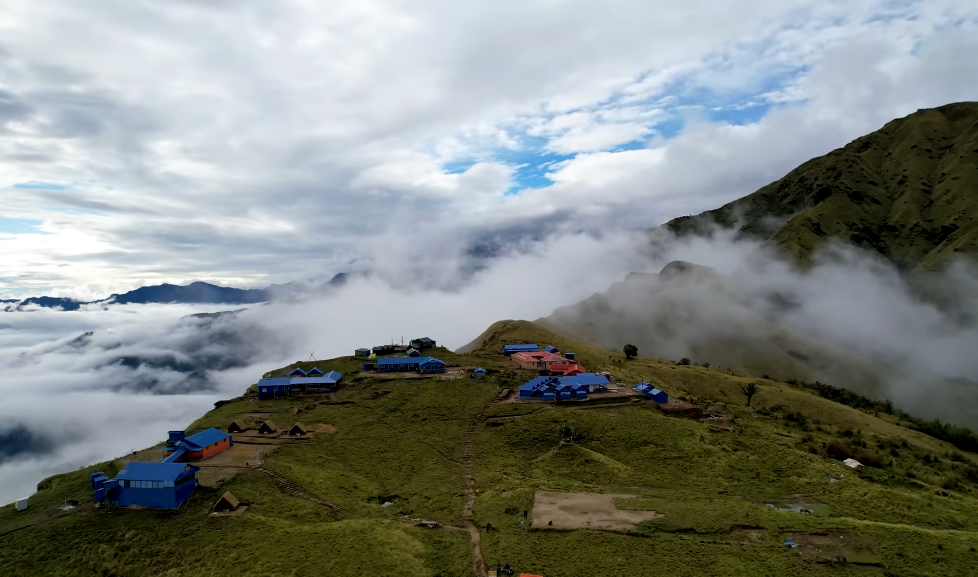
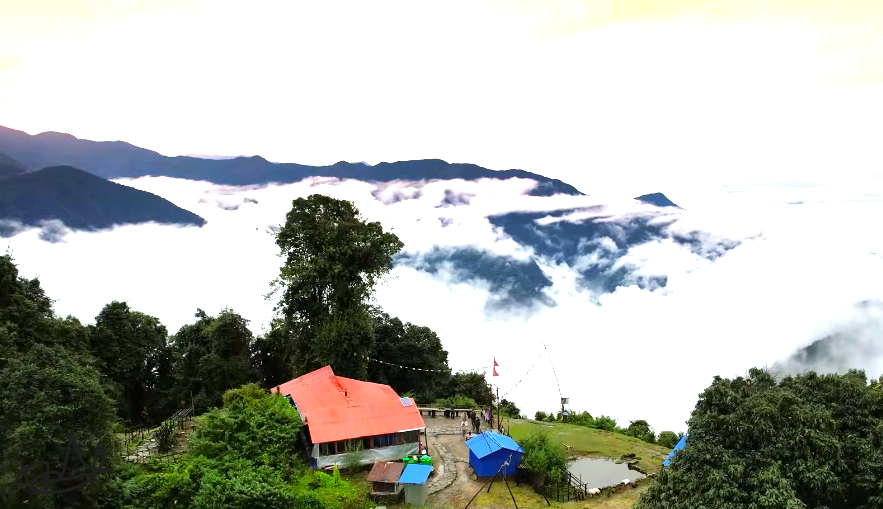
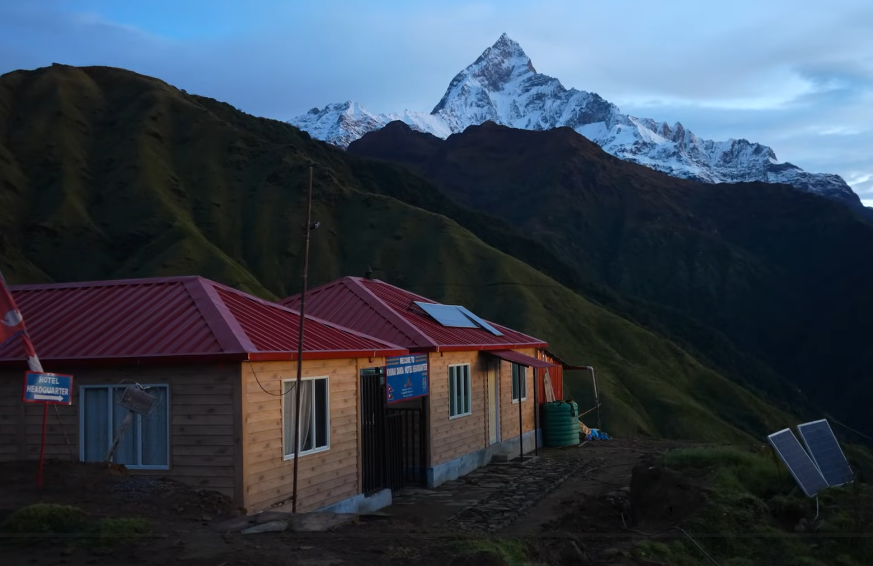
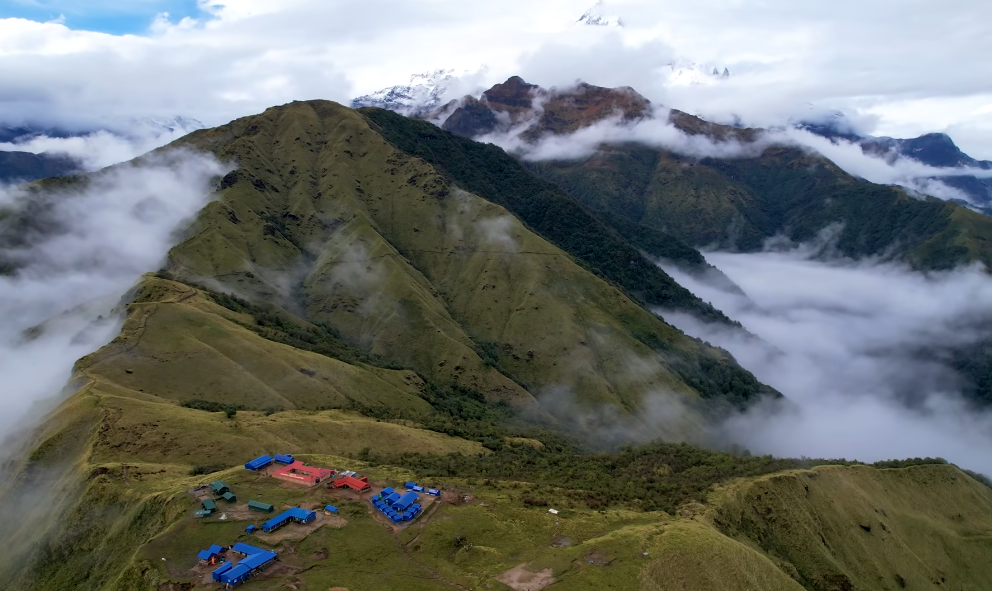
Approaching Khumai Danda (3,245m), the landscape opens dramatically to reveal the full grandeur of the Machhapuchhre massif. The fishtail peak, considered sacred and thus unclimbed, dominates the skyline with its distinctive twin summits. Your accommodation at Khumai Danda is a simple but comfortable tea house, where you’ll enjoy hot meals and warm hospitality while watching the sunset paint the mountains in shades of orange, pink, and purple. The evening offers a perfect opportunity for stargazing—far from city lights, the night sky here reveals countless stars and the milky way stretching across the horizon. Many trekkers describe this night at Khumai Danda as one of the most memorable of their entire Nepal experience.
Day 3: Khumai Danda to Korchan Danda to Mirsha
Route Overview
| Parameter | Details |
| Sunrise Hike | Khumai Danda to Korchan Danda (3,700m) |
| Sunrise Hike Duration | 2-3 hours (3km) ascending |
| Descent to Mirsha | 4 hours (7km) descending |
| Maximum Elevation | Korchan Danda (3,700m) |
| Overnight Stay | Mirsha (2,100m) – Traditional Homestay |
Table 3: Day 3 Route Summary
Day three begins before dawn, with an early wake-up call to begin the ascent to Korchan Danda (3,700m) for what many consider the highlight of the entire Khumai Danda trek—the sunrise over the Annapurna range. The 2-3 hour hike to Korchan Danda is challenging but manageable, following a steep ridge trail that gains 455 meters over approximately 3 kilometers. Your headlamp illuminates the path as stars still twinkle overhead, and the pre-dawn air carries the crisp freshness that only exists at high altitude. This section requires careful footing, especially if there has been recent rain or snow, but the trail is well-marked and your experienced guide knows every twist and turn.
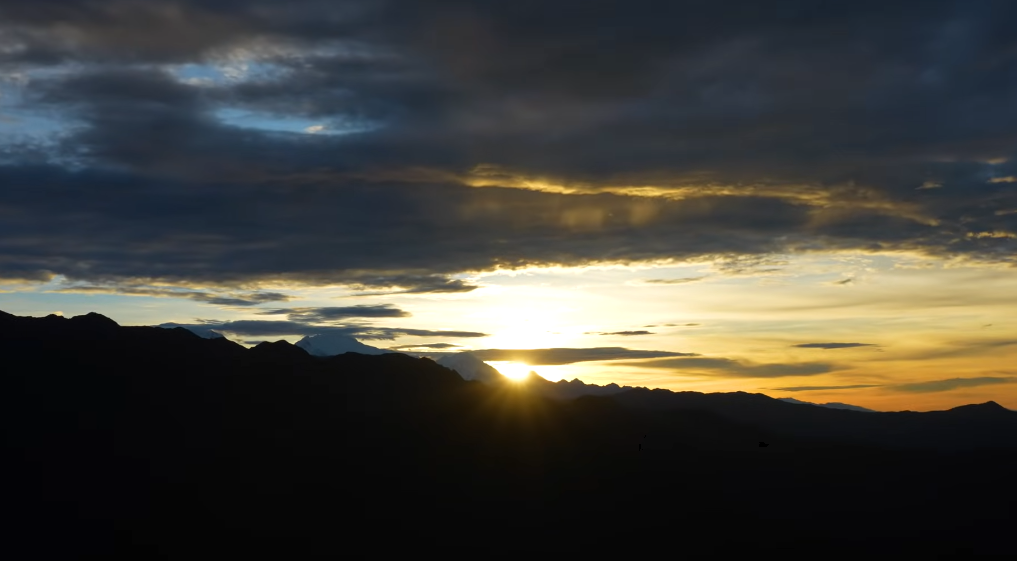
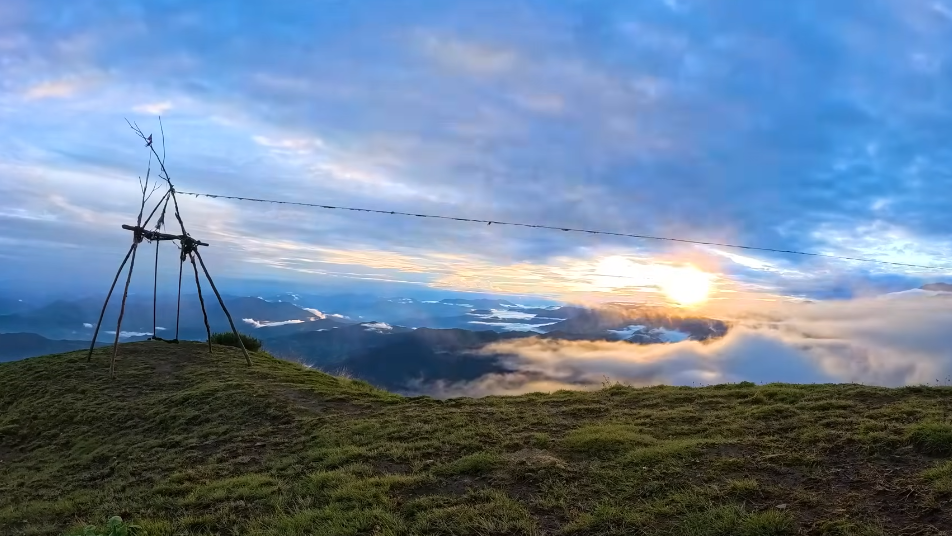
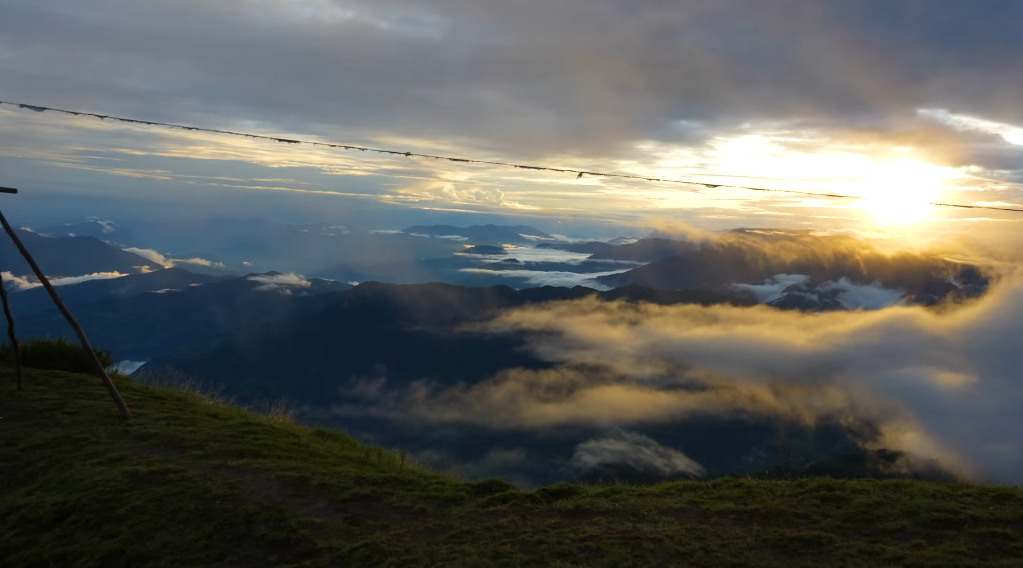
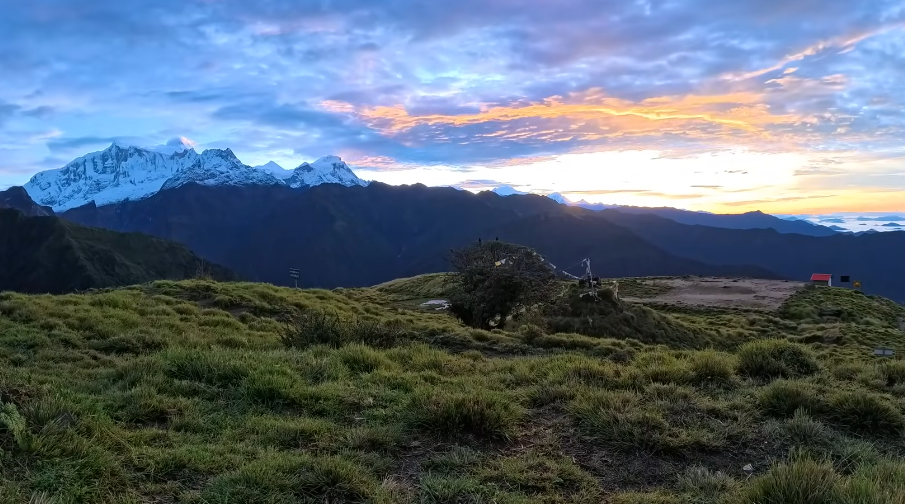
Arriving at Korchan Danda viewpoint in the pre-dawn light, you’ll find a rocky outcrop offering unobstructed 360-degree views of the entire Annapurna range, Dhaulagiri range, and the Pokhara valley far below. As the first rays of sunlight crest the eastern horizon, the mountains undergo a dramatic transformation—from cold, shadowy silhouettes to peaks ablaze with golden and rose-colored light. Machhapuchhre’s twin summits catch the light first, earning their name as the ‘Fishtail’ becomes a glowing beacon against the dark sky. Annapurna South, Himchuli, and the entire range follow in a cascade of light that seems almost choreographed. This sunrise experience, far from any crowds, allows for quiet contemplation and photography in complete serenity.
After absorbing the sunrise views and capturing photographs, you’ll descend back to Khumai Danda for breakfast before continuing your descent to Mirsha (2,100m). The total elevation loss of 1,600 meters over 7 kilometers requires careful, steady walking to protect your knees, but the changing landscapes make every step interesting. From high-altitude rhododendron forests, you’ll transition through mixed deciduous woodland and eventually into subtropical vegetation zones. Your overnight stay in Mirsha introduces you to the authentic homestay experience—a chance to live with a local Gurung family, share meals prepared with locally-grown ingredients, and gain insights into daily life in rural Nepal that no hotel experience can match.
Day 4: Mirsha to Kharpani Hot Springs to Pokhara
Route Overview
| Parameter | Details |
| Morning Walk | Mirsha to Kharpani Hot Springs (30 min) |
| Hot Springs Temperature | 35-40°C (Natural geothermal) |
| Return Journey | 2 hours by jeep/bus (30km) |
| Final Destination | Pokhara (827m) |
Table 4: Day 4 Route Summary
Your final day of the Khumai Danda trek offers a perfect, relaxing conclusion to your mountain adventure. After breakfast with your homestay family—a chance to say farewell and express gratitude for their hospitality—you’ll descend just 30 minutes to Kharpani, where natural hot springs await. The trail drops 770 meters over 1.5 kilometers, winding through lush vegetation alongside a cascading river. The sound of rushing water grows louder as you approach, and soon you’ll see steam rising from the natural pools that have attracted visitors for generations. These geothermal springs, with water temperatures between 35-40°C, are believed to have healing properties and provide the perfect remedy for muscles that have worked hard over the past three days.
Spending an hour or two soaking in the hot springs while gazing up at the surrounding hillsides creates a meditative transition between your mountain experience and the return to civilization. Many trekkers report that this hot spring experience, far less crowded than the famous Tatopani on the Annapurna Circuit, becomes one of their most cherished memories of the entire journey. After lunch at a nearby lodge, your transport will arrive for the return journey to Pokhara—a 2-hour drive that gives you time to reflect on the experiences of the past four days. Arriving back in Pokhara by late afternoon, you’ll have time to shower, rest, and perhaps celebrate your achievement with a lakeside dinner as the sun sets over Phewa Lake.
Understanding the seasonal variations in weather conditions is crucial for planning your Khumai Danda trek. The Annapurna region experiences distinct seasons that dramatically affect trail conditions, visibility, temperature, and overall trekking experience. This comprehensive month-by-month breakdown will help you choose the optimal time for your adventure and prepare appropriately for the conditions you’ll encounter.
Spring represents one of the two peak seasons for the Khumai Danda trek, offering ideal conditions for most trekkers. March marks the transition from winter, with temperatures gradually warming and the famous rhododendron forests beginning to bloom. Daytime temperatures at lower elevations range from 15-20°C, while nights at Khumai Danda can still drop to around 0-5°C. April is arguably the most beautiful month, with rhododendrons in full bloom creating spectacular corridors of color along the trail. Daytime temperatures become more comfortable (18-22°C at lower elevations, 5-10°C at higher camps), and visibility remains excellent with generally clear skies. May brings warmer conditions but also increasing humidity and occasional pre-monsoon showers, particularly in the afternoons. Temperature ranges extend from 20-25°C at lower elevations to 8-12°C at Khumai Danda during daytime.
The monsoon season brings significant challenges to the Khumai Danda trek and is generally not recommended for inexperienced trekkers. June marks the onset of the monsoon, with increasing rainfall, high humidity, and reduced visibility. While the landscapes become incredibly lush and green, the trails can become slippery and leeches become active in the forest sections. July and August represent the peak monsoon months, with heavy rainfall occurring most days, typically in the afternoon and evening. Cloud cover frequently obscures mountain views, and the risk of landslides on access roads increases. However, for experienced trekkers seeking solitude and willing to accept the challenges, the monsoon season offers empty trails, vibrant green landscapes, and a unique perspective on the Himalayan ecosystem. Temperature remains warm throughout (15-20°C even at higher elevations), but proper rain gear and flexibility with itinerary are essential.
Autumn is widely considered the best season for the Khumai Danda trek, offering the clearest skies, most stable weather, and excellent trekking conditions. September marks the end of the monsoon, with rainfall decreasing significantly and the landscape at its most verdant. Temperatures are pleasant (15-20°C at lower elevations during the day, 5-10°C at Khumai Danda), and visibility improves dramatically. October is the golden month for trekking in Nepal—crystal-clear skies, comfortable temperatures, and minimal rainfall create perfect conditions. The air is clean and fresh after the monsoon, and mountain views are spectacular from every viewpoint. November continues the excellent conditions, though temperatures begin to drop, particularly at night (potentially below freezing at Khumai Danda). Daytime temperatures remain pleasant (12-18°C at lower elevations), and the post-monsoon clarity continues to provide outstanding visibility.
Winter on the Khumai Danda trek offers a unique experience for those prepared for cold conditions. December marks the beginning of the dry, cold season, with clear skies but significantly lower temperatures. Daytime temperatures at Khumai Danda may hover around 0-5°C, with nights dropping well below freezing. Snow is possible at higher elevations, potentially affecting access to Korchan Danda viewpoint. January is the coldest month, with nighttime temperatures at Khumai Danda potentially reaching -10°C or lower. However, the clear winter air provides exceptional visibility, and the trails are virtually empty. February represents a transition month, with temperatures gradually warming but still cold at altitude. Winter trekking requires proper cold-weather gear but rewards with solitude, pristine snow-covered landscapes, and crystal-clear mountain views.
| Month | Khumai Temp | Rainfall | Visibility | Rating |
| January | -5 to 5°C | Low | Excellent | ★★★☆☆ |
| February | -3 to 8°C | Low | Excellent | ★★★★☆ |
| March | 0 to 12°C | Low | Very Good | ★★★★★ |
| April | 5 to 15°C | Moderate | Very Good | ★★★★★ |
| May | 8 to 18°C | Moderate-High | Good | ★★★☆☆ |
| June-Aug | 10 to 20°C | Very High | Poor | ★★☆☆☆ |
| September | 8 to 16°C | Moderate | Good-Very Good | ★★★★☆ |
| October | 2 to 14°C | Low | Excellent | ★★★★★ |
| November | -2 to 10°C | Low | Excellent | ★★★★★ |
| December | -8 to 6°C | Low | Excellent | ★★★☆☆ |
Table 5: Month-by-Month Weather Guide for Khumai Danda Trek
For trekkers exploring short trek options in the Annapurna region, the choice often comes down to Khumai Danda versus Khopra Danda (also known as Khopra Ridge). Both routes offer spectacular mountain views, authentic cultural experiences, and manageable durations for trekkers with limited time. However, each has distinct characteristics that may make one more suitable for your particular preferences and goals. This detailed comparison will help you make an informed decision between these two exceptional trekking routes.
The Khumai Danda trek follows a more direct route to its high point, with the entire journey achievable in four days from Pokhara. The trail is less traveled, offering a genuine sense of solitude and wilderness that has become increasingly rare in popular trekking areas. You’ll encounter fewer tea houses and facilities, but this simplicity is part of the appeal for trekkers seeking authentic experiences. The Korchan Danda viewpoint at 3,700m provides the highest elevation and most dramatic views, with particularly stunning perspectives of Machhapuchhre’s south face. The trail passes through traditional Gurung villages where tourism infrastructure is still developing, meaning more authentic interactions with local communities.
The Khopra Danda trek, by comparison, typically requires 5-7 days to complete properly, branching off from the Ghorepani area before continuing to the ridge. It has gained more popularity in recent years, resulting in better-developed infrastructure but also more fellow trekkers on the trail. The maximum elevation at Khopra Ridge (3,660m) is similar to Korchan Danda, but the views extend more toward Dhaulagiri and the Kali Gandaki valley. Khopra offers the unique attraction of Kaire Lake, a sacred high-altitude lake that requires an additional day hike from the ridge. The trail connects with parts of the popular Ghorepani-Poon Hill route, meaning you’ll share some sections with trekkers heading to that famous viewpoint.
Detailed Comparison Table
| Feature | Khumai Danda | Khopra Danda |
| Duration | 4 days | 5-7 days |
| Maximum Elevation | 3,700m (Korchan) | 3,660m (Khopra) |
| Crowd Level | Very Low | Moderate |
| Difficulty | Moderate | Moderate |
| Primary Views | Machhapuchhre, Annapurna | Dhaulagiri, Annapurna |
| Accommodation | Basic tea houses, homestays | Better tea houses |
| Unique Feature | Hot springs, Guru Rinpoche route | Kaire Lake |
| Best For | Solitude, short duration, authenticity | Comfort, longer exploration |
Table 6: Khumai Danda vs Khopra Danda Comparison
Choose the Khumai Danda trek if you have limited time (just 4 days), value solitude and authentic experiences over comfort, want to experience natural hot springs, and prefer a route less traveled. This trek is ideal for photographers seeking unobstructed mountain views without crowds, cultural enthusiasts interested in genuine village life, and trekkers who appreciate the spiritual dimensions of following ancient pilgrimage routes. The proximity to Pokhara makes it an excellent choice for those combining trekking with other activities in Nepal’s adventure capital.
Choose the Khopra Danda trek if you have more time available (5-7 days), prefer better-developed tea house facilities, want to include the sacred Kaire Lake in your journey, or are combining your trek with the popular Poon Hill sunrise viewpoint. Khopra is also an excellent choice for those who want a slightly longer gradual acclimatization profile and don’t mind sharing trails with other trekkers. The route works well as an extension to other Annapurna region treks.
Proper preparation with the right gear can make the difference between an enjoyable adventure and a challenging ordeal. The Khumai Danda trek, while moderate in difficulty and relatively short in duration, still requires careful attention to equipment and clothing. The following comprehensive packing list has been refined through years of guiding experience on this route, ensuring you have everything you need without carrying unnecessary weight.
While the Khumai Danda trek is considered moderate in difficulty, proper physical preparation significantly enhances your experience and reduces the risk of altitude-related issues. The trek involves sustained uphill walking on days one and two, with day three including a challenging early morning ascent to Korchan Danda. Trekkers should be comfortable walking for 5-6 hours per day with a day pack, over terrain that includes steep sections and uneven surfaces.
Begin your preparation at least 4-6 weeks before your trek. Focus on cardiovascular fitness through activities like running, cycling, swimming, or fast walking. Aim for at least 30-45 minutes of elevated heart rate exercise 3-4 times per week. Hill training is particularly beneficial—find local hills or stairs and practice walking uphill at a steady pace. If you have access to hiking trails, spend weekends on longer hikes with a weighted pack to simulate trekking conditions. Strength training for your legs (squats, lunges, step-ups) will help on steep sections, while core exercises improve balance and reduce fatigue during long days on the trail.
The maximum altitude on the Khumai Danda trek (3,700m at Korchan Danda) is high enough to potentially cause altitude-related symptoms in some trekkers. The good news is that the trek’s design allows for reasonable acclimatization—you spend your first night at 2,360m and second night at 3,245m before making the early morning push to the viewpoint. Stay well hydrated throughout your trek (aim for 3-4 liters of water daily), avoid alcohol and excessive caffeine, and communicate any symptoms to your guide immediately. Headache, nausea, dizziness, and unusual fatigue are warning signs that should not be ignored. Your guide is trained to assess symptoms and make appropriate decisions about whether to proceed or descend.
The Khumai Danda trek winds through the traditional homeland of the Gurung people, one of Nepal’s most distinctive ethnic groups. Known internationally for their service as Gurkha soldiers in the British and Indian armies, the Gurungs have a rich cultural heritage that extends far beyond their military reputation. In the villages of Lachok and Ghachok, you’ll encounter a community deeply connected to their agricultural roots, where traditional farming practices continue much as they have for centuries. The terraced fields that cascade down the hillsides represent generations of careful land stewardship, creating sustainable agricultural systems in some of the world’s most challenging terrain.
Gurung hospitality is legendary among trekkers who venture beyond the main tourist trails. In the homestays of Mirsha and tea houses along the route, you’ll experience this warmth firsthand. Traditional Gurung meals, often featuring locally grown ingredients like millet, buckwheat, and fresh vegetables, provide both sustenance and cultural connection. If your timing coincides with local festivals or ceremonies, you may witness traditional Gurung dances, hear the distinctive rhythms of their folk music, or observe rituals that have been passed down through countless generations. These authentic encounters are what distinguish the Khumai Danda experience from more commercial trekking routes.
Machhapuchhre, the iconic Fishtail mountain that dominates the Khumai Danda skyline, holds profound spiritual significance for both Hindu and Buddhist communities in Nepal. Unlike most major Himalayan peaks, Machhapuchhre has never been summited—the Nepalese government has prohibited climbing due to the mountain’s sacred status. Local legend holds that the mountain is the abode of Lord Shiva, and its pristine, unclimbed condition represents a rare victory for spiritual values over mountaineering ambition. As you trek in its shadow, you’re walking through a landscape that has inspired reverence for millennia.
The trail also follows sections of the Guru Rinpoche route, named after the legendary Buddhist master who brought Buddhism to Tibet and the Himalayan regions in the 8th century. Guru Rinpoche, also known as Padmasambhava, is credited with subduing local spirits and establishing meditation sites throughout the Himalayas. The high ridges and caves around Khumai Danda were historically used by Buddhist practitioners for extended meditation retreats, and you may see evidence of this spiritual heritage in prayer flags, stone cairns, and small shrines along the trail. This connection to centuries of contemplative practice adds a dimension of meaning to your journey that goes beyond the physical achievement of reaching viewpoints.
The Khumai Danda trek was developed as part of a conscious effort to create sustainable tourism alternatives in the Annapurna region. Unlike some trekking routes that have suffered environmental degradation and cultural disruption from mass tourism, this trail was designed to distribute benefits to local communities while minimizing negative impacts. As a trekker on this route, you become a partner in this sustainability mission, with your presence directly supporting the families and communities who call these mountains home.
Choosing the right trekking company transforms a simple hike into a meaningful, safe, and enriching experience. Himalayan Eco Culture has established itself as a trusted partner for trekkers seeking authentic adventures in Nepal’s Annapurna region. Our deep roots in the local communities along the Khumai Danda route—combined with professional standards and genuine commitment to sustainable tourism—make us the ideal choice for discerning travelers.
Our guides are not just employees—they are members of the communities you’ll visit. Born and raised in the Lachok-Ghachok region, our team brings an intimate knowledge of the trails, weather patterns, wildlife, and cultural nuances that no outsider could match. This local connection means you’ll experience the Khumai Danda trek as an insider, welcomed into villages where our guides have family and lifelong friendships. These relationships translate into unique experiences: impromptu invitations to local homes, introductions to village elders, and insights into traditions that remain hidden from most visitors.
Your safety is our paramount concern. All our guides hold government-issued licenses and undergo regular training in wilderness first aid, altitude sickness recognition and response, and emergency evacuation procedures. We maintain communication systems for remote areas and have established protocols for medical emergencies. Our guides carry comprehensive first aid kits and are trained to make conservative decisions when conditions warrant. We also ensure that all our staff have proper insurance coverage, protecting both them and you in case of unforeseen circumstances.
Himalayan Eco Culture is committed to tourism practices that benefit local communities and preserve the natural environment. We employ local guides and porters at fair wages, support village development projects, and practice Leave No Trace principles on all our treks. A portion of our profits goes directly to community initiatives in the villages along our routes. When you trek with us, you’re not just having an adventure—you’re contributing to the sustainable development of Nepal’s mountain communities.
The optimal seasons for the Khumai Danda trek are spring (March to April) and autumn (October to November). During these periods, you’ll experience the clearest skies, most stable weather conditions, and comfortable temperatures for trekking. Spring offers the added bonus of rhododendron forests in full bloom, creating spectacular corridors of color along the trail. Autumn provides crystal-clear mountain views following the monsoon rains, with the landscape still verdant and the air fresh and clean. October is widely considered the premier month for trekking in Nepal’s Annapurna region.
The Khumai Danda trek is classified as moderate difficulty, making it accessible to trekkers with reasonable fitness levels. Compared to high-altitude passes like Thorong La on the Annapurna Circuit or Everest Base Camp trek, it presents less challenge in terms of both altitude and duration. However, the ascent to Korchan Danda (3,700m) does require respect for altitude and proper acclimatization. The trail includes some steep sections that test cardiovascular fitness, but daily walking times of 4-6 hours are manageable for most active individuals. Previous hiking experience is beneficial but not essential.
While prior trekking experience is helpful, it is not mandatory for the Khumai Danda trek. The route is well-marked, daily distances are reasonable, and the moderate altitude gain allows for natural acclimatization. First-time trekkers should, however, prepare physically by engaging in regular cardiovascular exercise in the weeks before their trip. The presence of an experienced local guide ensures safety and provides support throughout the journey. What’s most important is a positive attitude, willingness to embrace new experiences, and respect for the mountain environment.
The Khumai Danda trek requires two permits: the ACAP (Annapurna Conservation Area Project) permit and the TIMS (Trekker’s Information Management System) card. These permits are typically arranged by your trekking company as part of their service. The ACAP permit supports conservation efforts and community development in the Annapurna region, while TIMS helps track trekkers for safety purposes. Permit fees are approximately $30 for ACAP and $20 for TIMS (rates subject to change). When booking with Himalayan Eco Culture, all permit arrangements are handled for you.
The maximum elevation on the Khumai Danda trek (3,700m at Korchan Danda) is high enough that altitude sickness is a potential concern, though the risk is lower than on higher-altitude treks. The itinerary is designed with gradual ascent—nights are spent at 2,360m, then 3,245m, before the early morning push to the viewpoint. This profile allows reasonable acclimatization for most trekkers. To minimize risk, stay well hydrated, avoid alcohol, ascend slowly, and communicate any symptoms to your guide immediately. Your guide is trained to recognize and respond to altitude-related issues.
Accommodation on the Khumai Danda trek is basic but comfortable. You’ll stay in tea houses along the trail—simple mountain lodges that provide beds, blankets, and meals. Rooms are typically twin-share with shared bathroom facilities. At Mirsha, you’ll experience a traditional homestay, staying with a local Gurung family. This offers a more immersive cultural experience and the chance to connect directly with local people. While amenities are simple, the warmth of Nepali hospitality more than compensates. Your trekking company provides sleeping bags rated for cold temperatures.
While technically possible, trekking independently on the Khumai Danda route is not recommended for several reasons. The trail is less traveled than major routes, meaning fewer fellow trekkers for support or directions. Tea houses may have limited information in English, and the cultural experience is significantly enriched by a local guide who can translate and facilitate meaningful interactions. Additionally, regulations in Nepal increasingly require registered guides for trekking in many areas. Trekking with a guide from Himalayan Eco Culture ensures safety, cultural insight, and direct support for local communities.
Beyond the package cost, you should budget for personal expenses including beverages (water, soft drinks, tea, coffee), snacks, hot showers, battery charging, and tips. A reasonable daily budget is $15-25 for these incidentals. Tips for your guide (approximately $15-20 per day) and porter ($10-15 per day) are customary and form an important part of their income. It’s wise to carry sufficient Nepali rupees, as ATMs are not available on the trail. Your trekking company can advise on appropriate amounts based on current conditions.
The Khumai Danda trek awaits those who seek authentic Himalayan experiences away from the crowds. Whether you’re drawn by the promise of stunning mountain vistas, curious about Gurung culture, seeking spiritual connection on ancient pilgrimage routes, or simply craving the peace that comes from time spent in wild places, this four-day journey delivers experiences that will stay with you long after you return home. Our team at Himalayan Eco Culture is ready to help you plan every detail of your adventure.
Ready to start planning your Khumai Danda trek? Our team is available to answer questions, provide detailed itineraries, and help you prepare for your Himalayan adventure.
WhatsApp: +977-9860745982
Facebook: @Himalayan eco culture
LinkedIn: @deep-rai-7aa3432b3
Follow us on Facebook @Himalayan eco culture for daily updates, community stories, and stunning photography from Nepal’s mountains. Connect on LinkedIn @deep-rai-7aa3432b3 for real-time expedition photos and professional updates from our team in the field.
The mountains are calling. Let us help you answer with an adventure that combines the majesty of the Himalayas with the warmth of Nepali hospitality and the expertise of local guides who know every trail, every viewpoint, and every story of this remarkable region. Your Khumai Danda journey begins with a single step—contact us today to take that step toward an unforgettable experience.
Duration: 16 Days
Nar Phu Valley Trek: The Ultimate Guide to Nepal’s Hidden Tibetan Frontier "Entering the Forgotten Corridors of the Himalayas" There...

Duration: 12 Days
"The Secret Garden of Nepal: A Spiritual and Ecological Odyssey to Khaptad National Park Trek" Beyond the Beaten Path: Journey...

Duration: 8 Days
"The Kori Danda Trek Trek: A Comprehensive Guide to Nepal’s Best Kept Secret" [caption id="attachment_2739" align="aligncenter" width="728"] make a wish...

Duration: 14 Days
Makalu Yeti Foot Trail Trek: Complete Guide Table of Contents Why Trek Around Makalu (And Why It Still Feels Wild)...