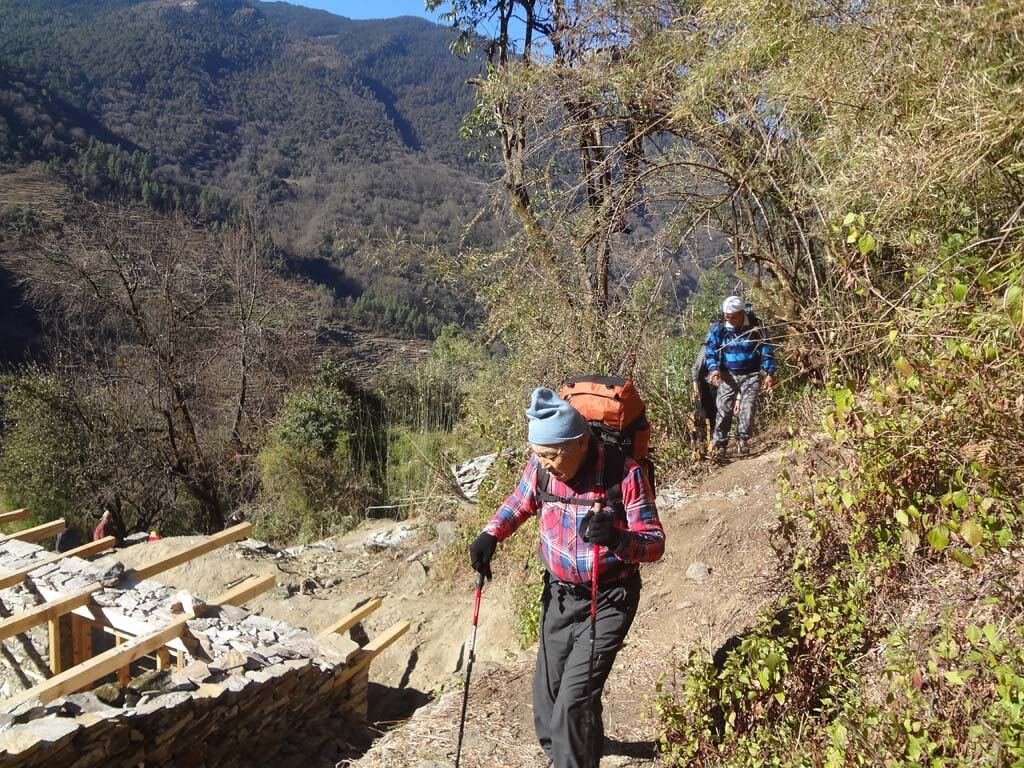
Earthquake in Nepal 2015
Earthquake in Nepal 2015: A Tragedy that Shook the Himalayas
The 2015 Nepal Earthquake, also known as the Gorkha Earthquake, struck on April 25, 2015, marking one of the most devastating natural disasters in Nepal’s recent history. With a magnitude of 7.8, the quake’s epicenter was near the town of Gorkha, approximately 76 kilometers northwest of Kathmandu, the capital city.
Earthquake in Nepal 2015:Tremors and Aftershocks
The earthquake was followed by hundreds of aftershocks, the most severe being a 7.3 magnitude tremor on May 12, 2015. These secondary quakes caused additional destruction and hampered rescue and recovery efforts.
Human and Structural Impact
- Deaths: Over 8,000 people lost their lives.
- Injuries: More than 21,000 were injured.
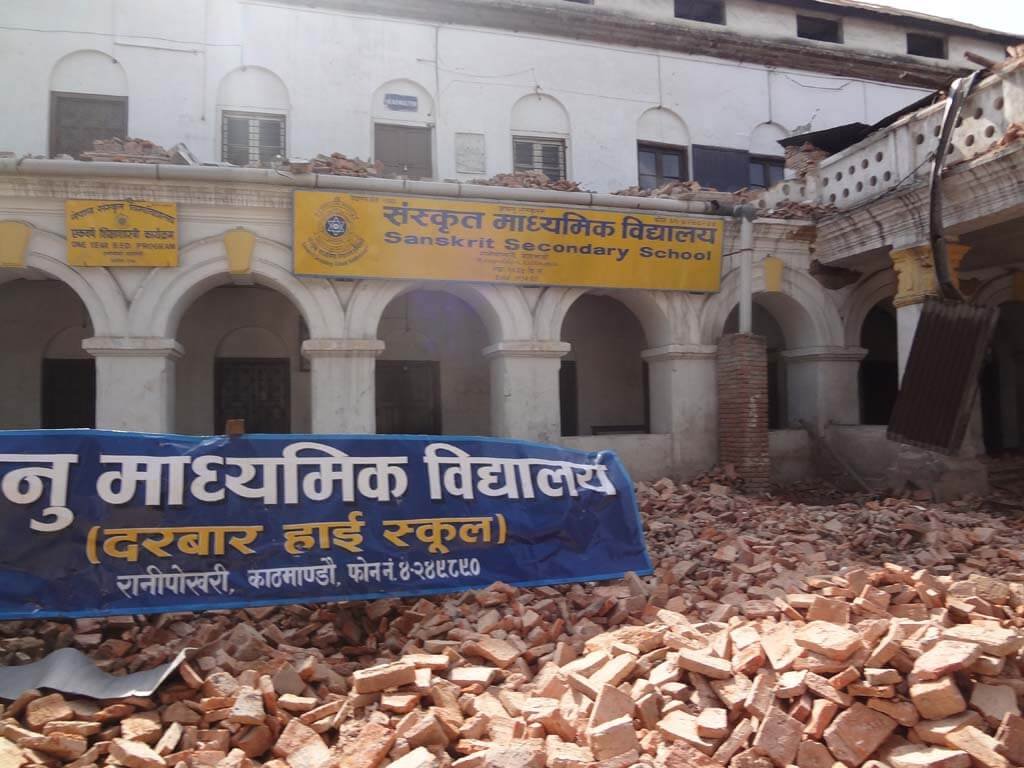
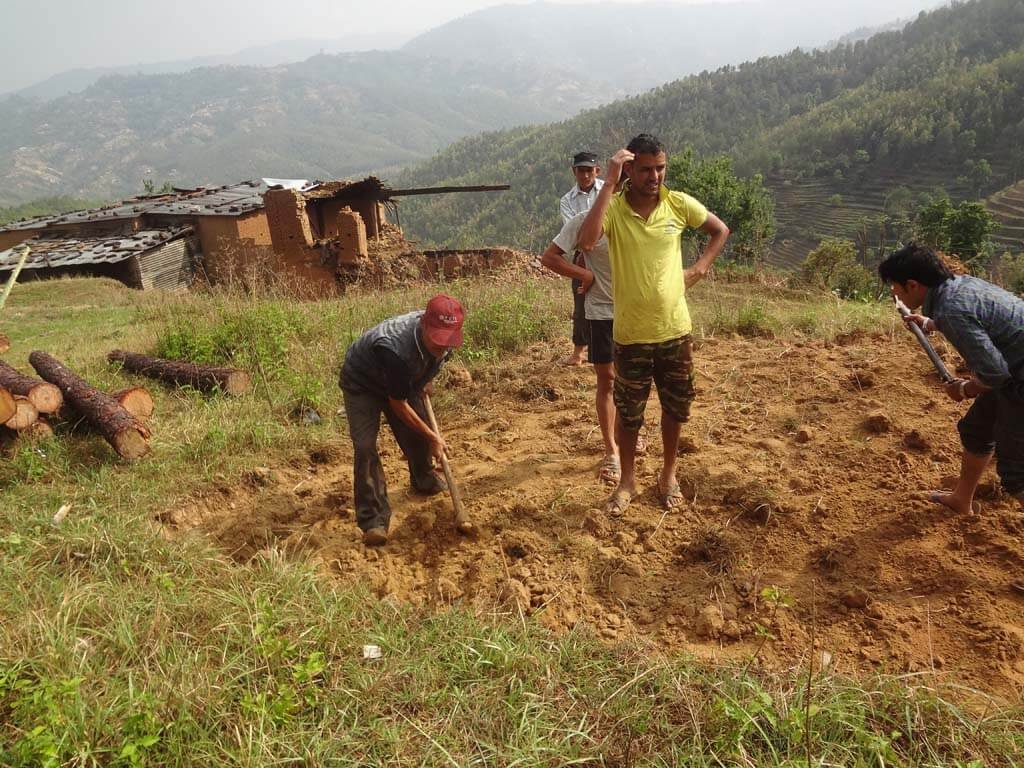
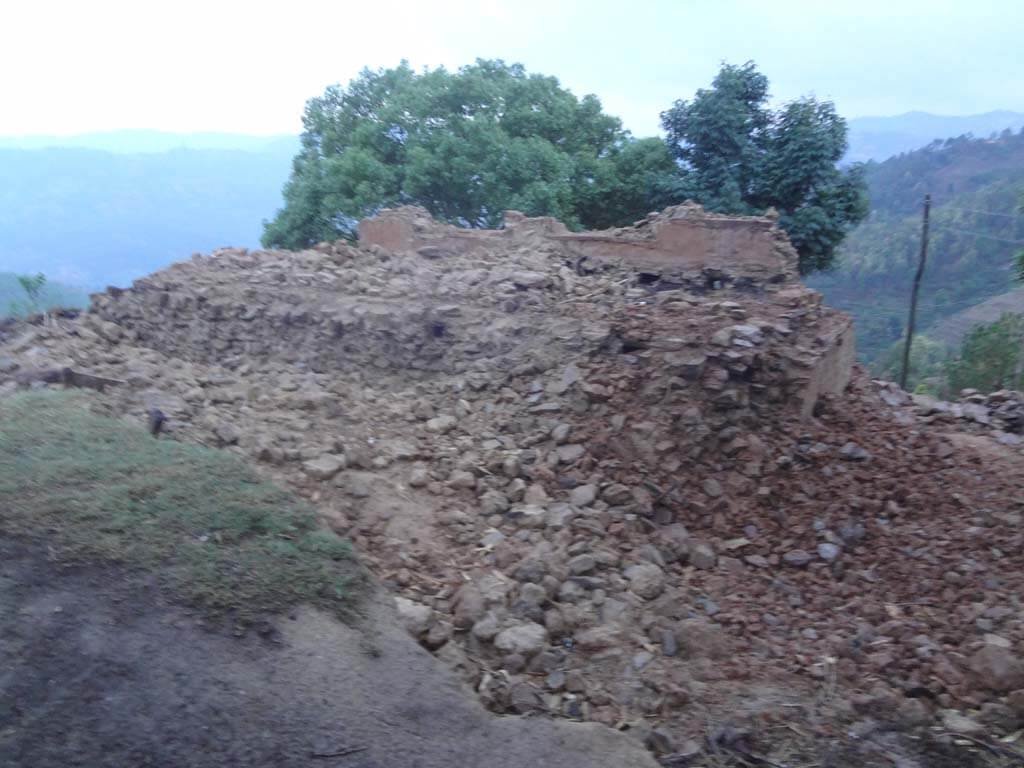
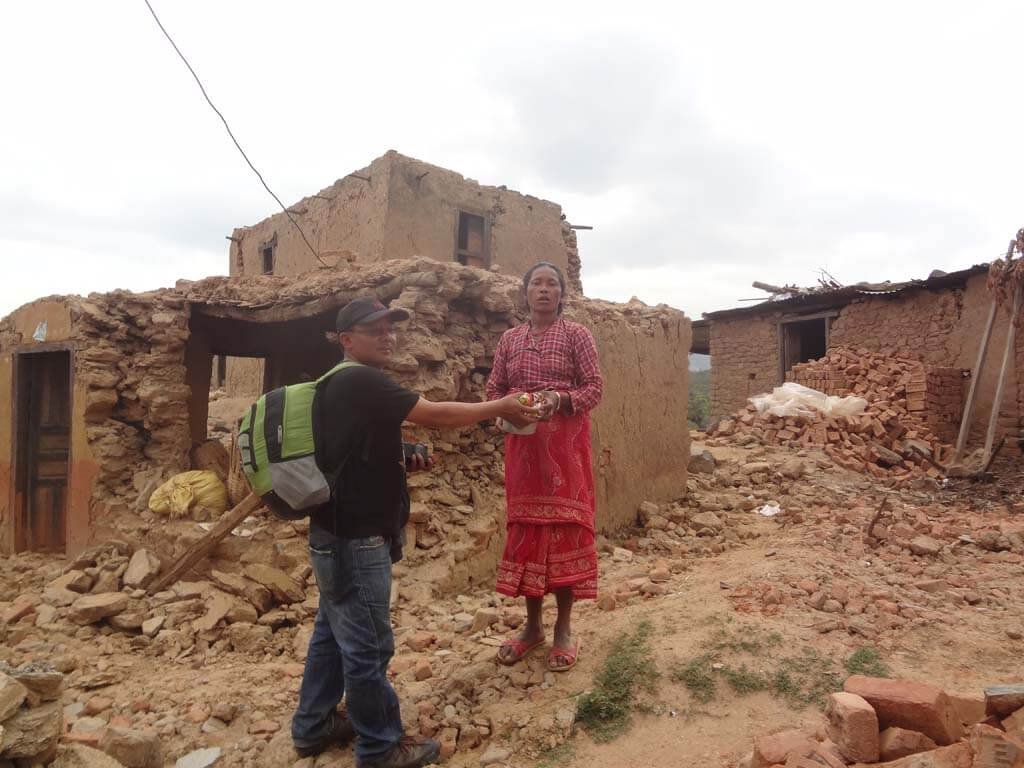
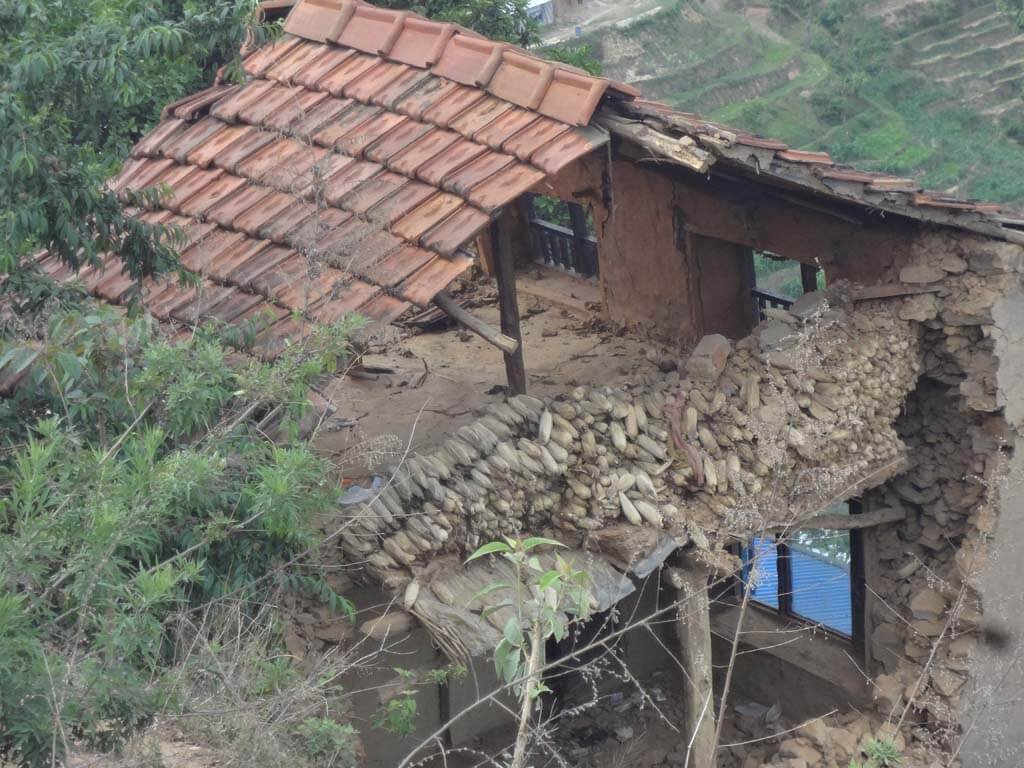
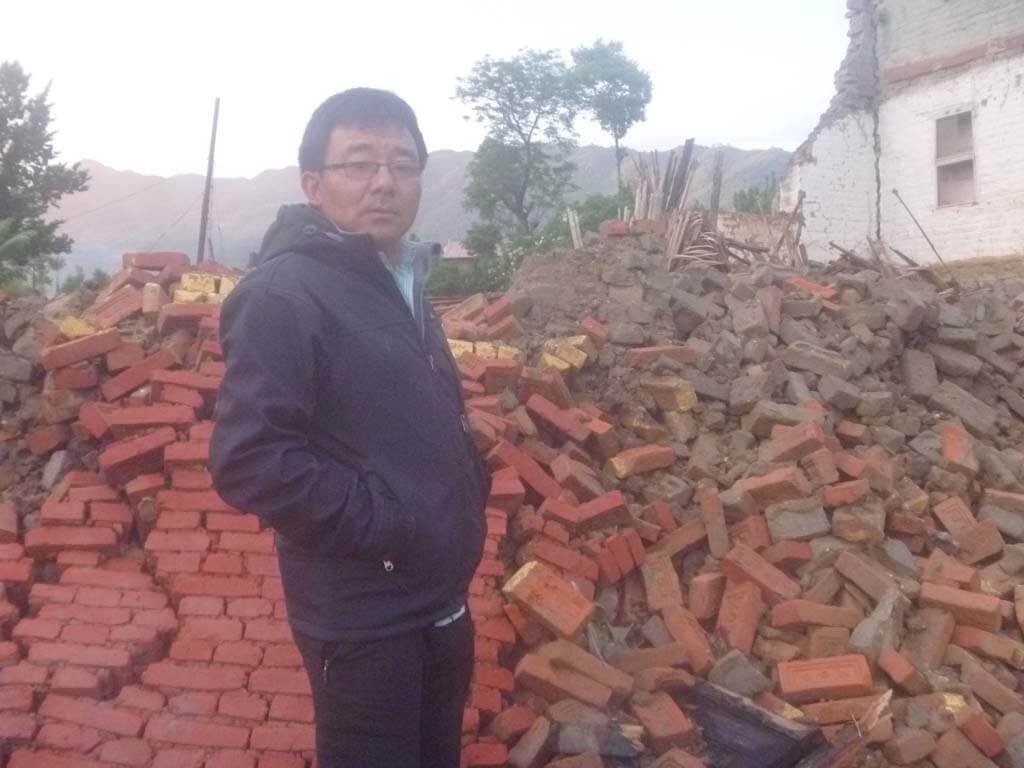
- Homelessness: Hundreds of thousands were displaced as entire villages were flattened.
- Heritage loss: Iconic historical and cultural landmarks, including UNESCO World Heritage sites in Kathmandu Valley, were severely damaged or destroyed.
The earthquake also triggered landslides and avalanches, including one on Mount Everest that claimed the lives of 22 climbers at Base Camp.
Humanitarian Response
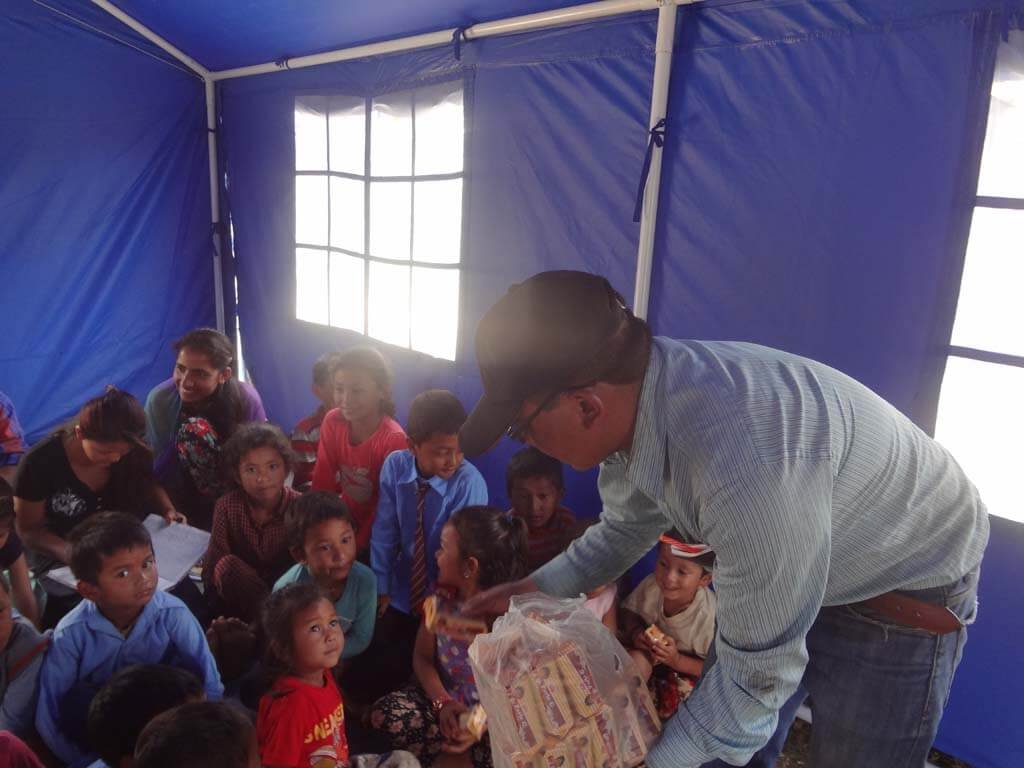
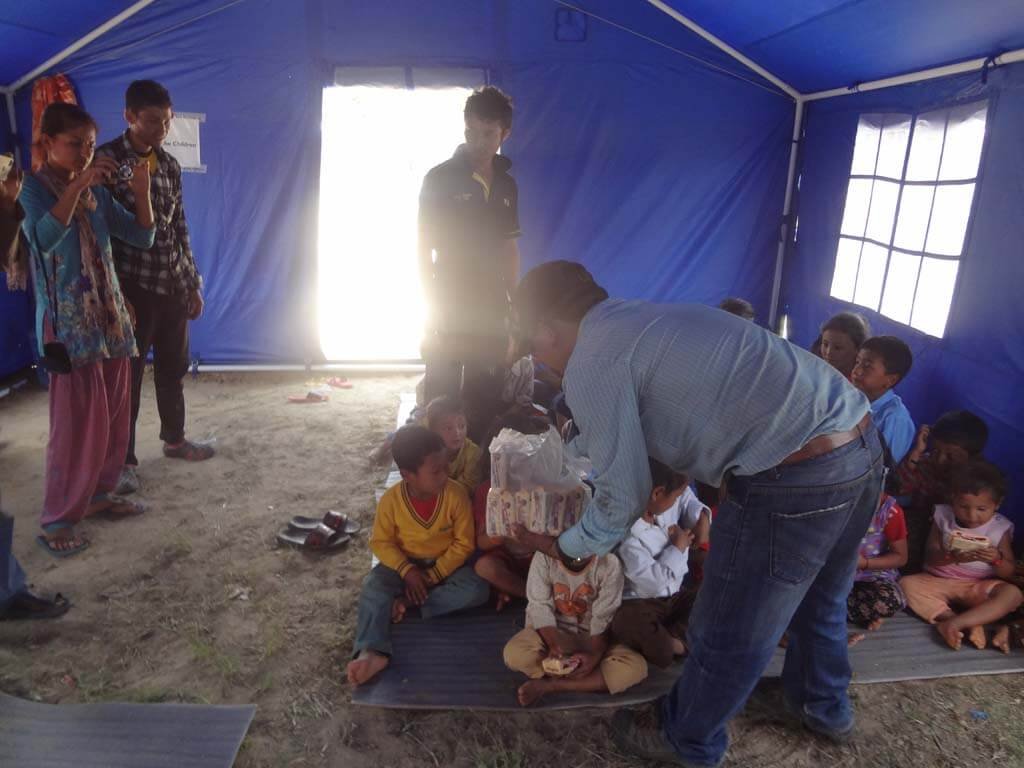
The disaster prompted a global humanitarian response. Aid agencies, governments, and NGOs coordinated to provide:
- Search and rescue operations
- Medical assistance
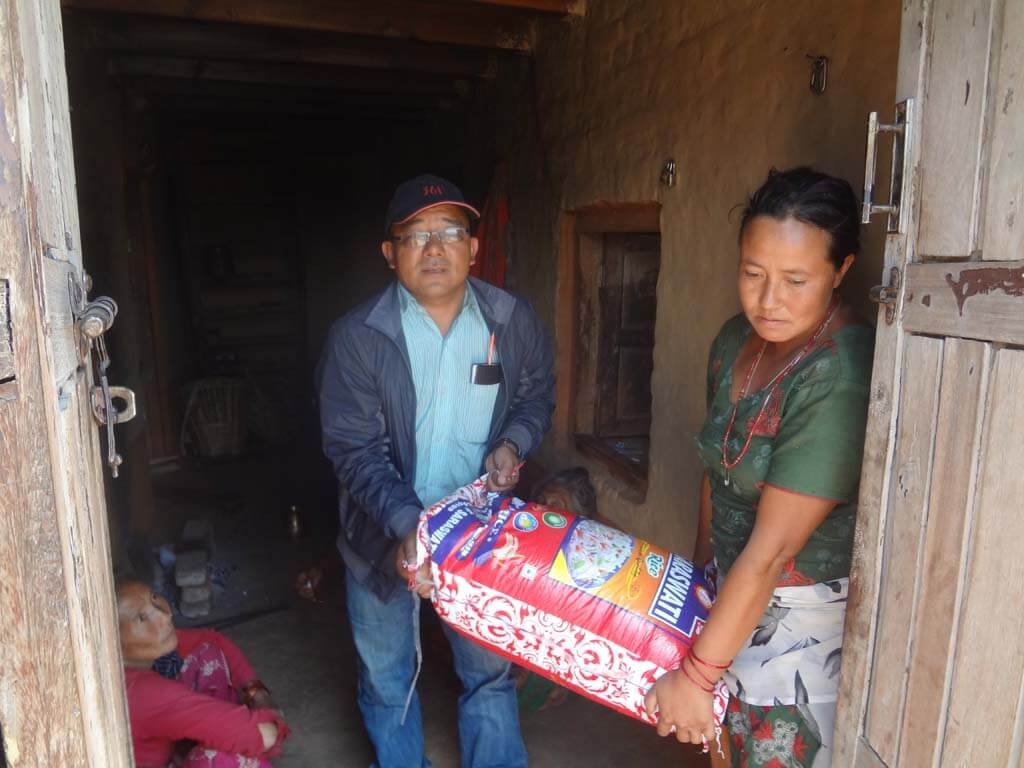
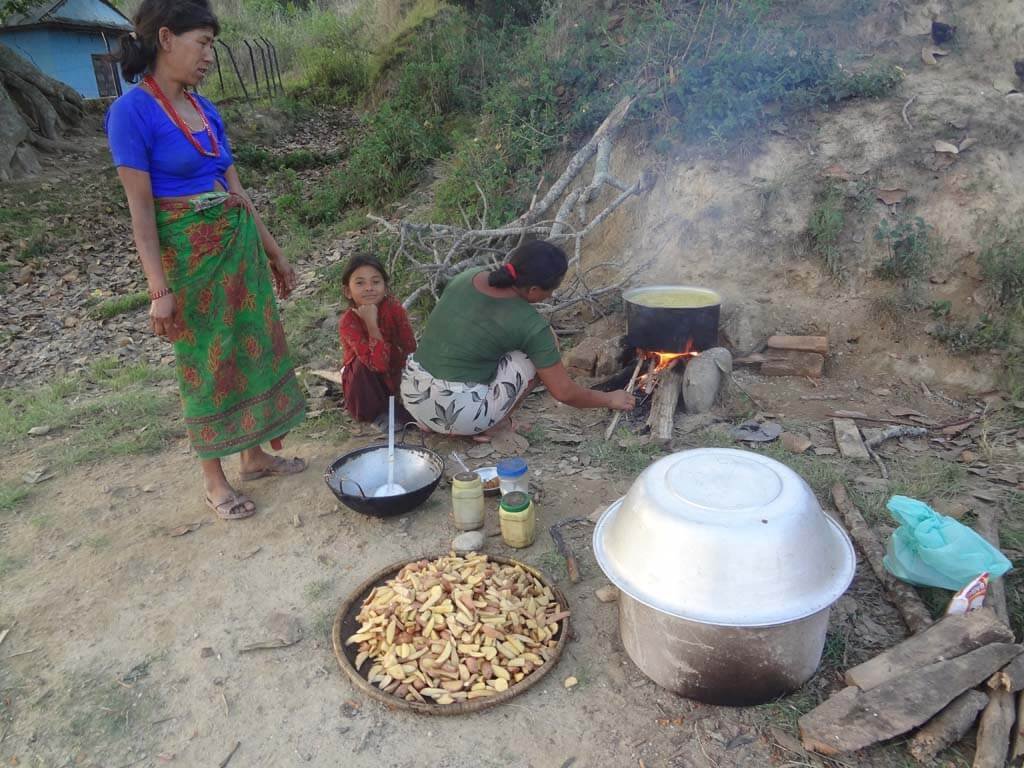
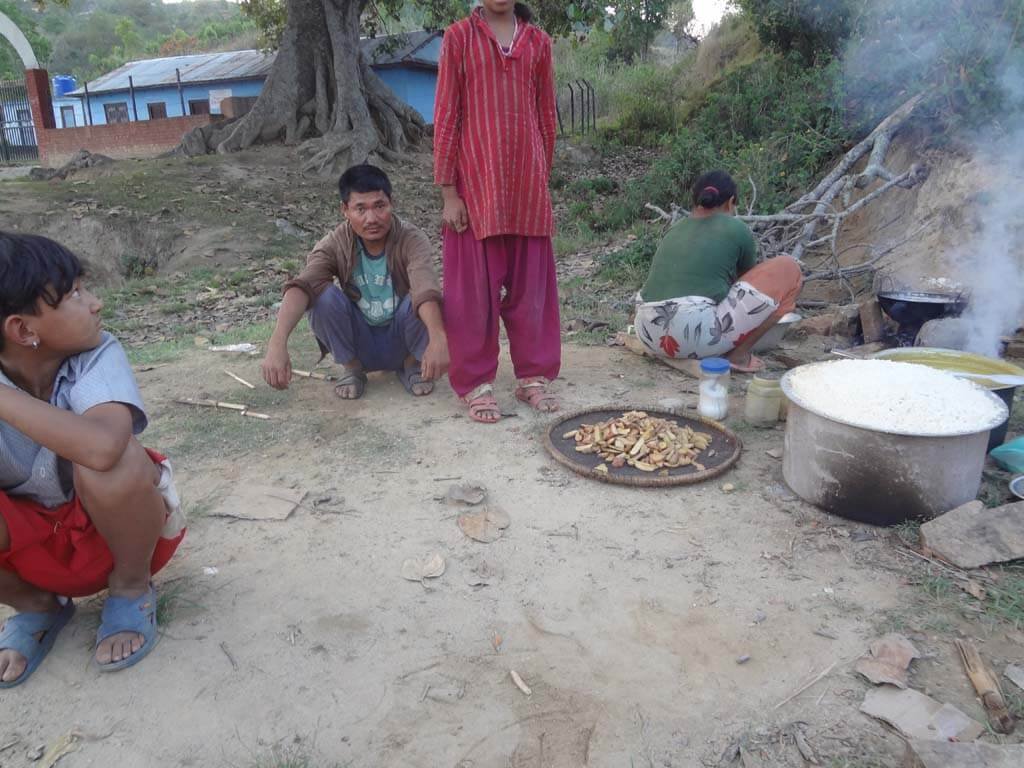
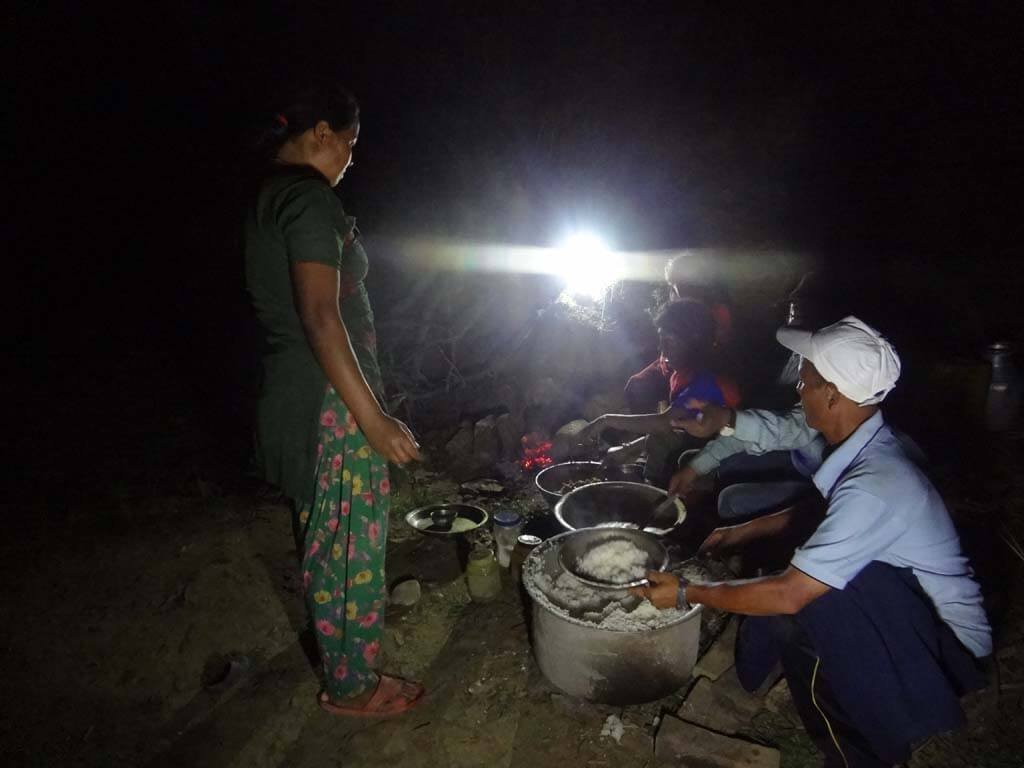
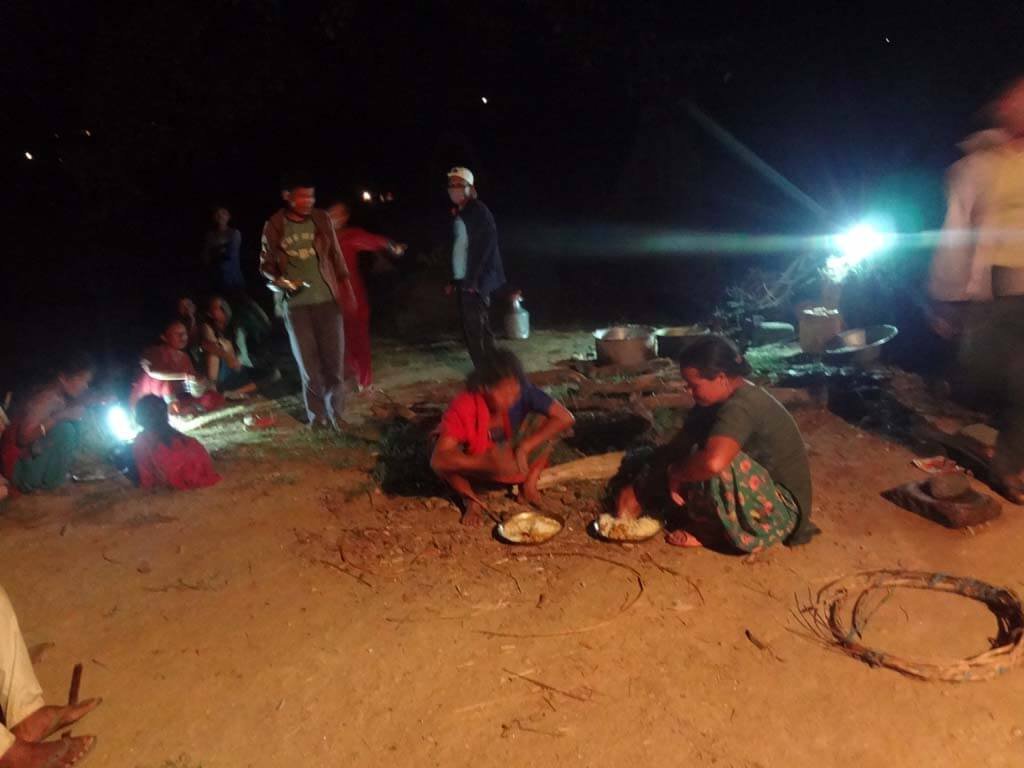
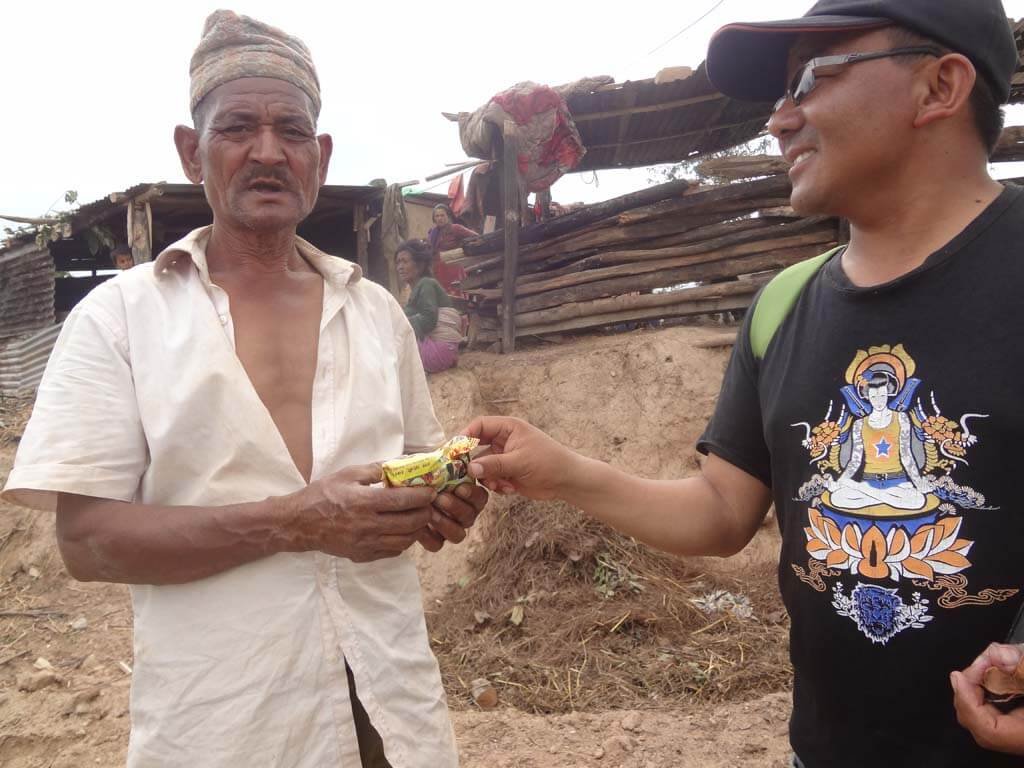
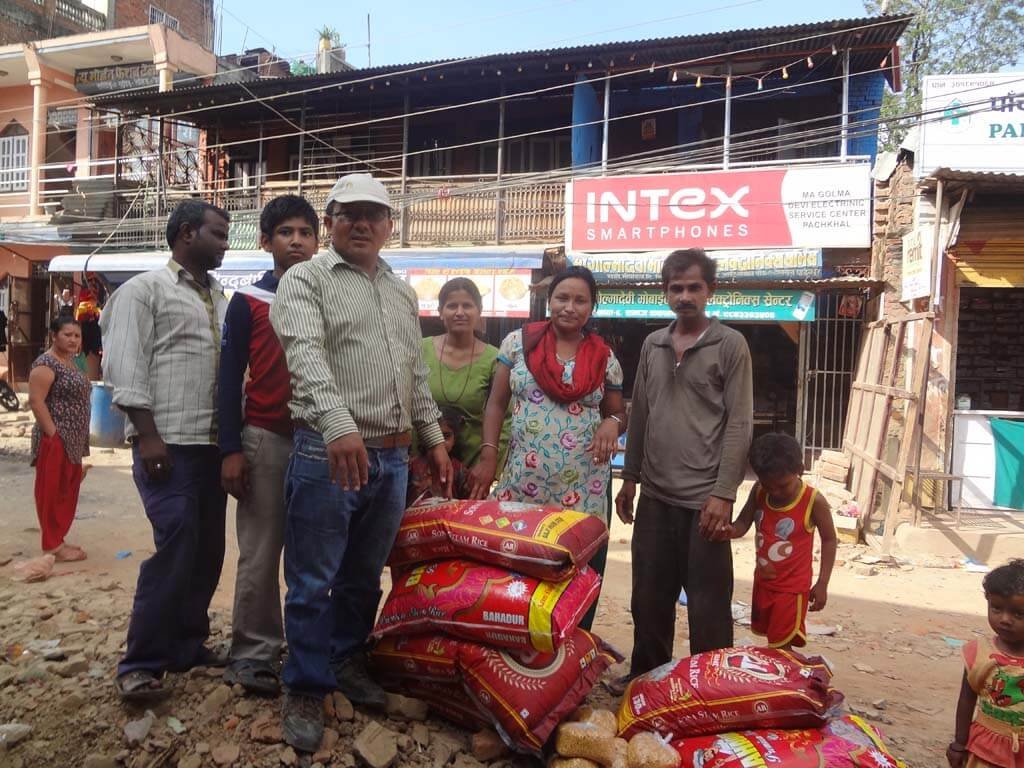
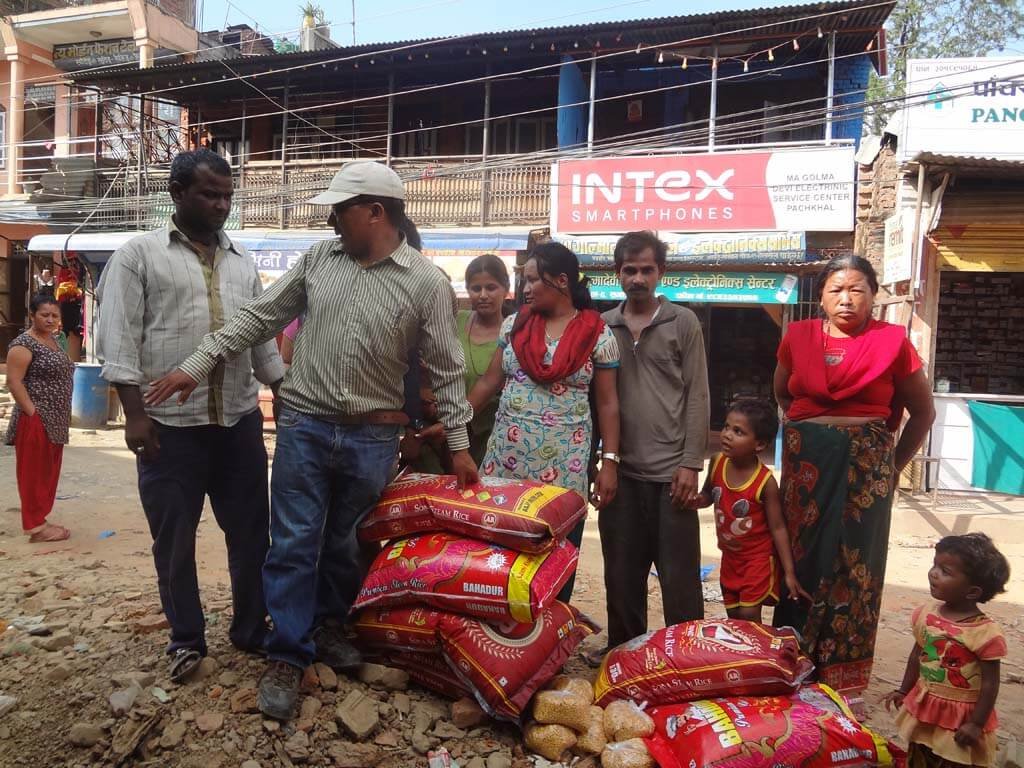
- Food and water supplies
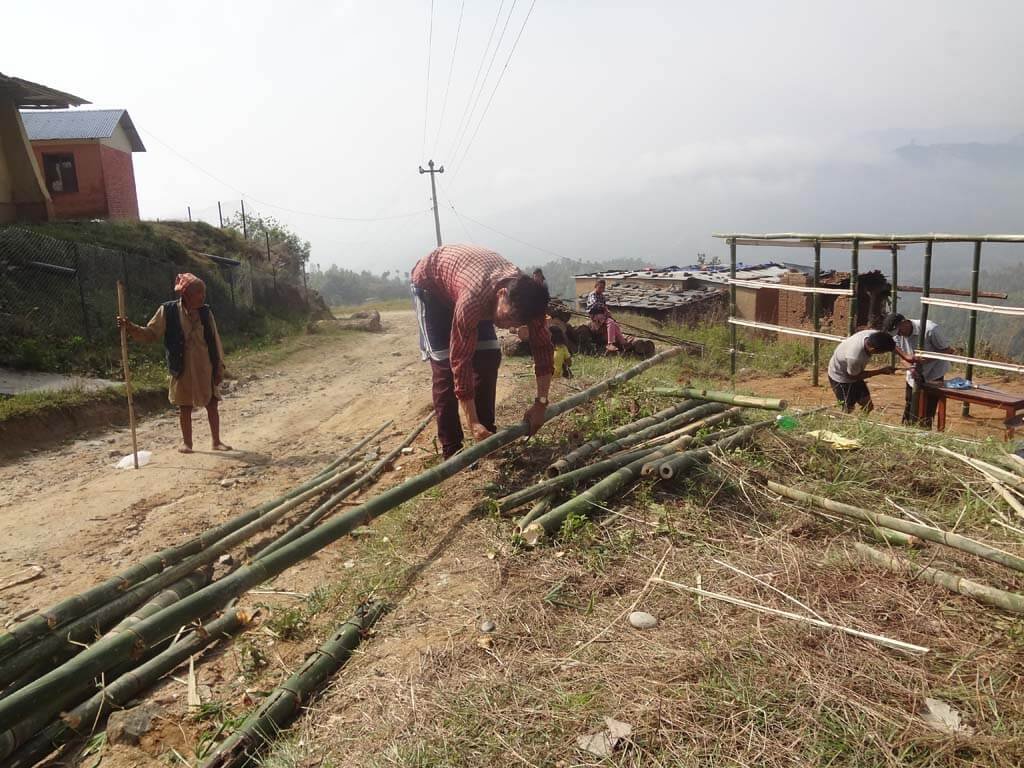
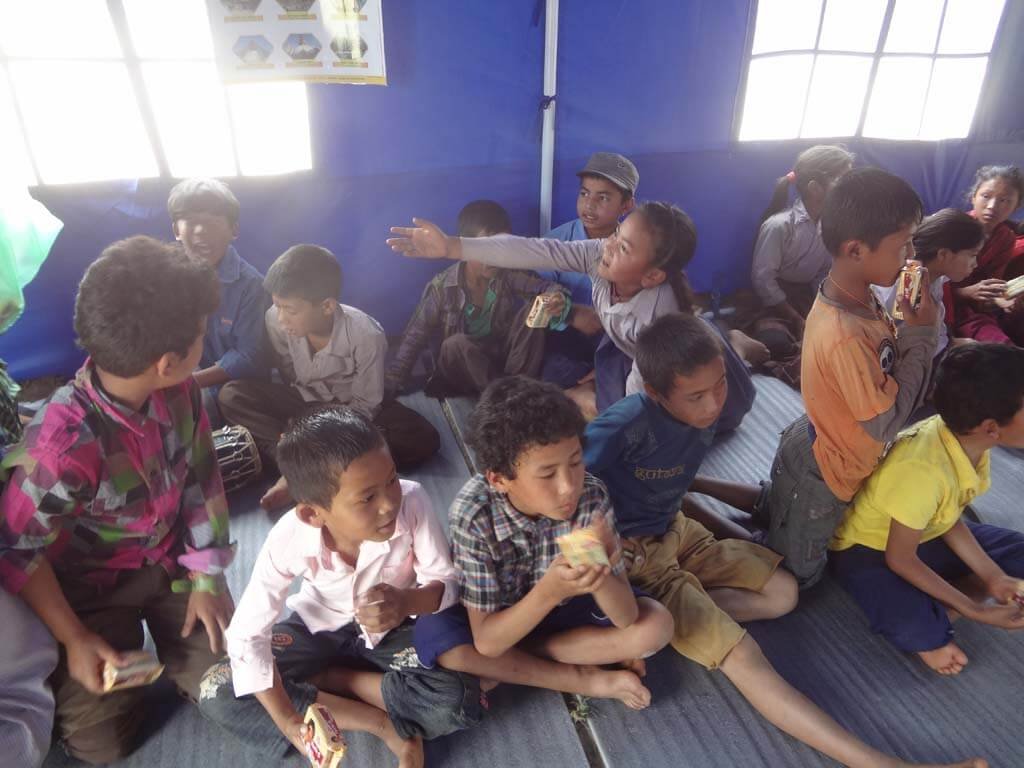
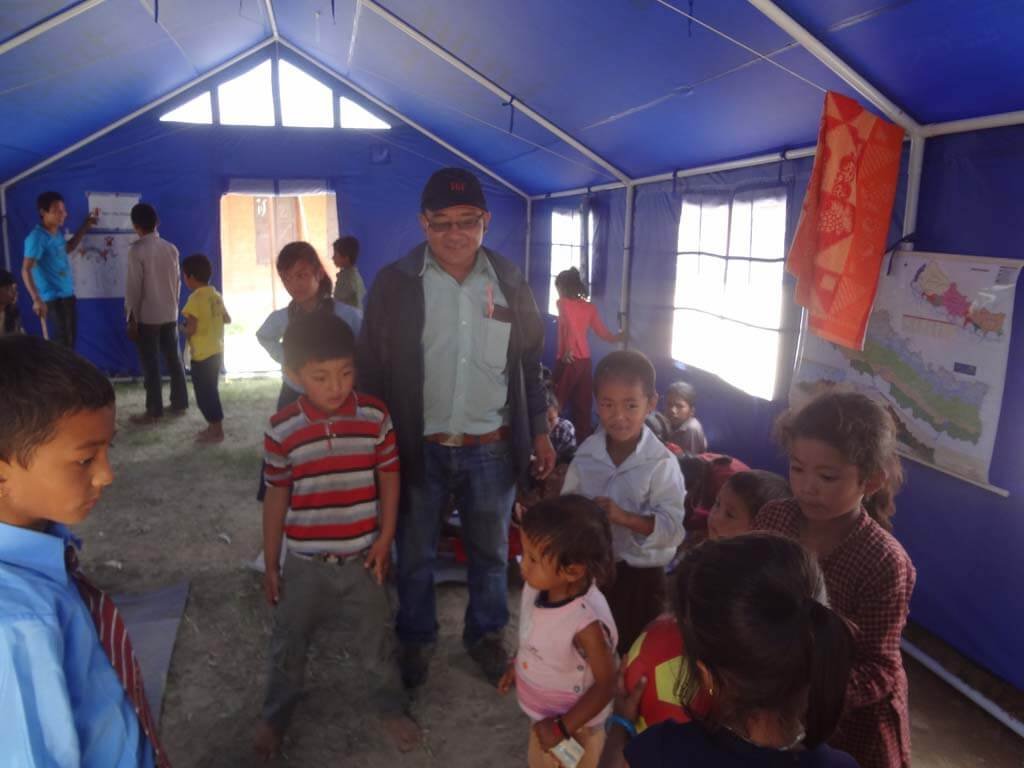
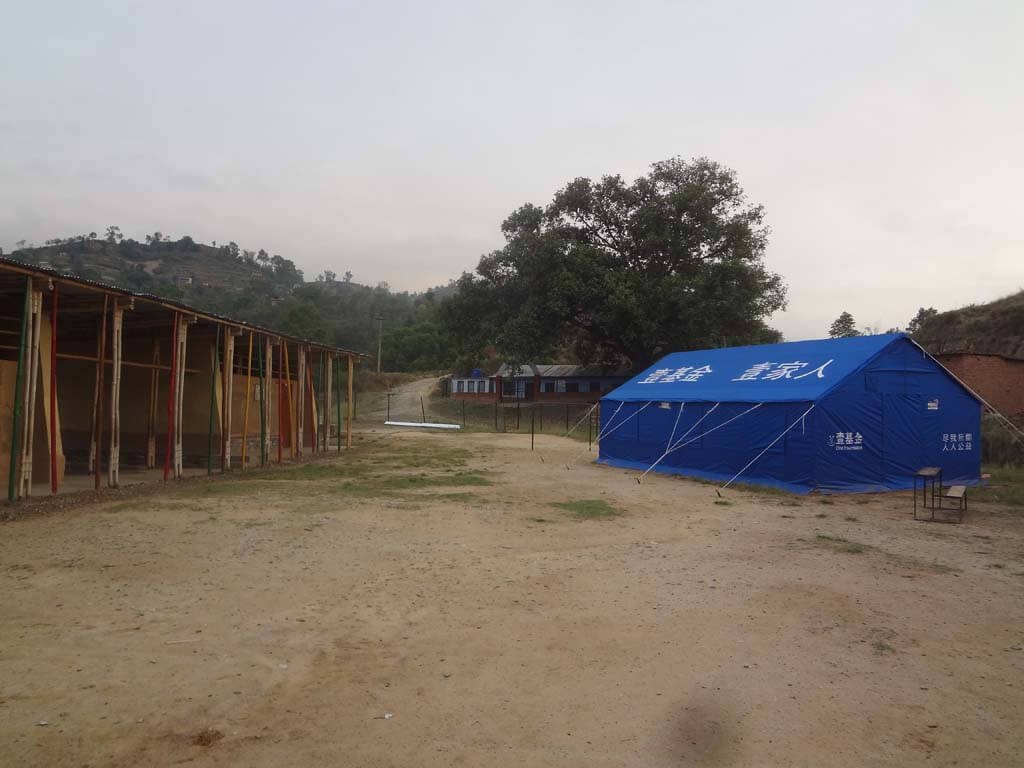
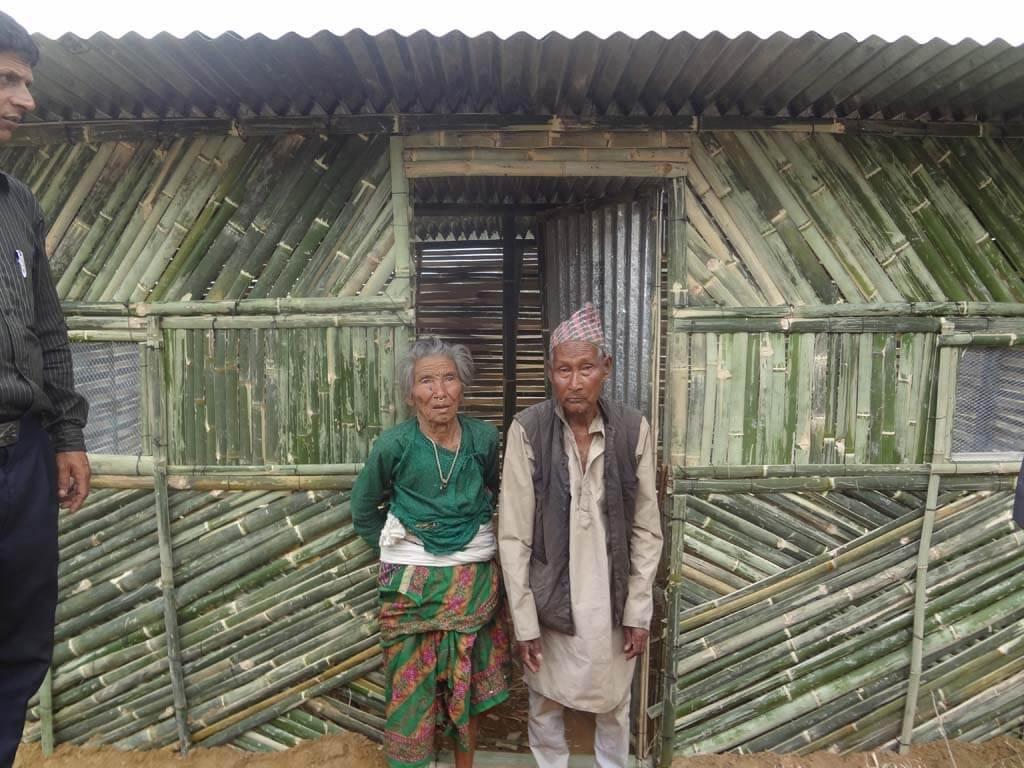
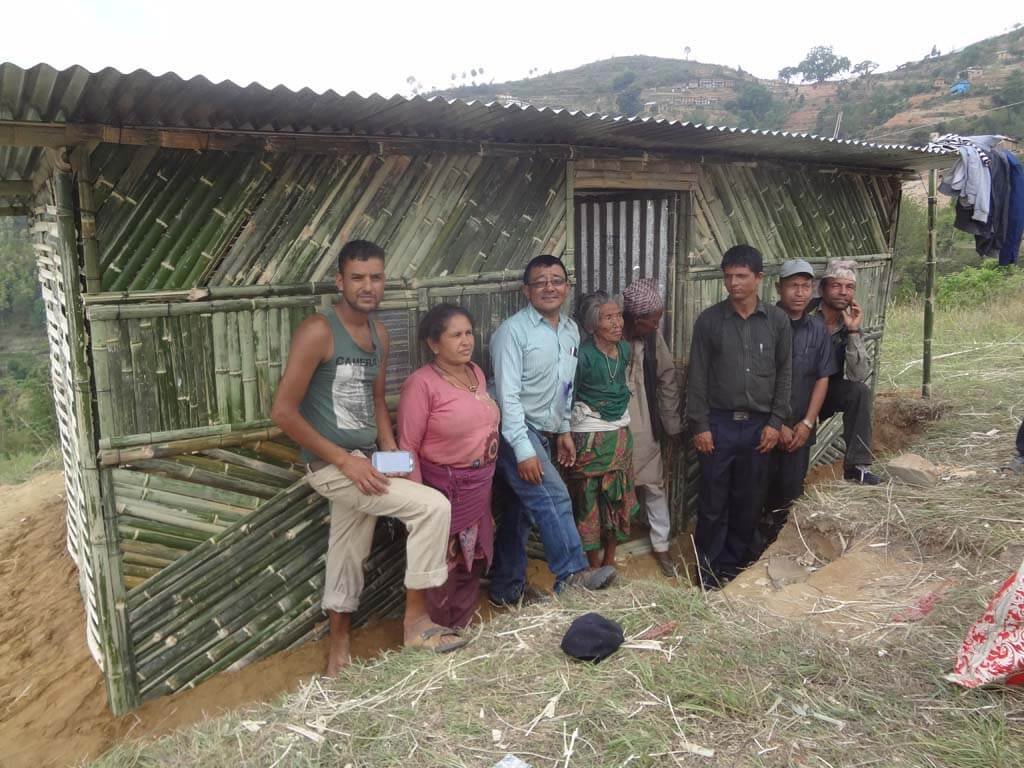
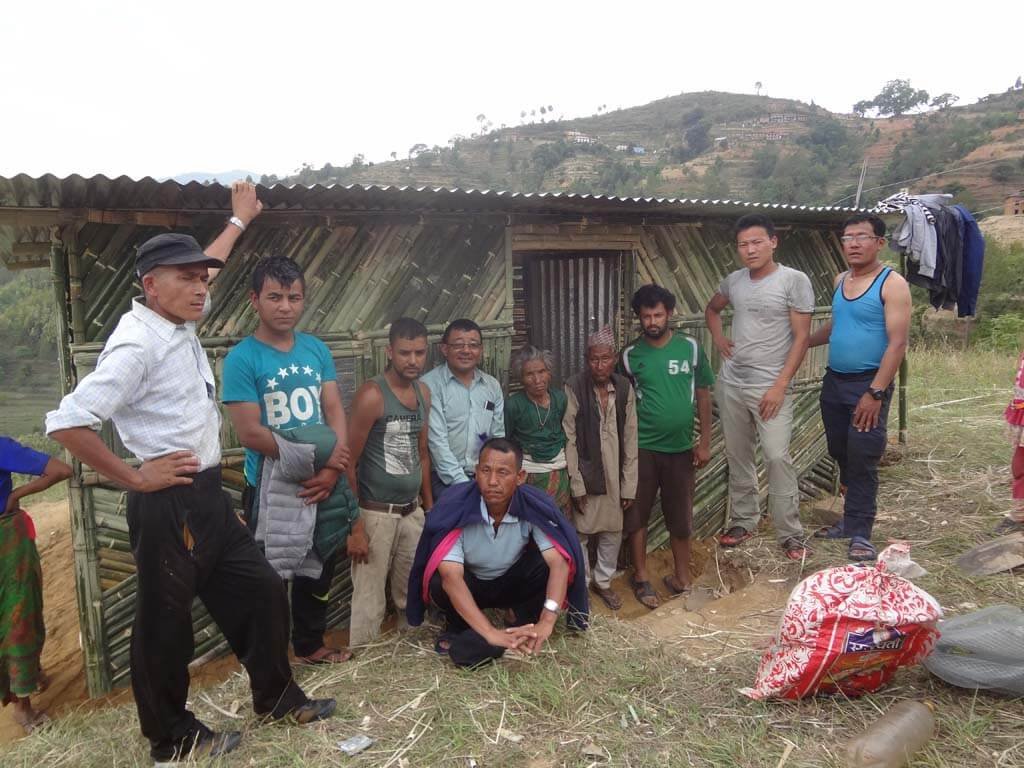
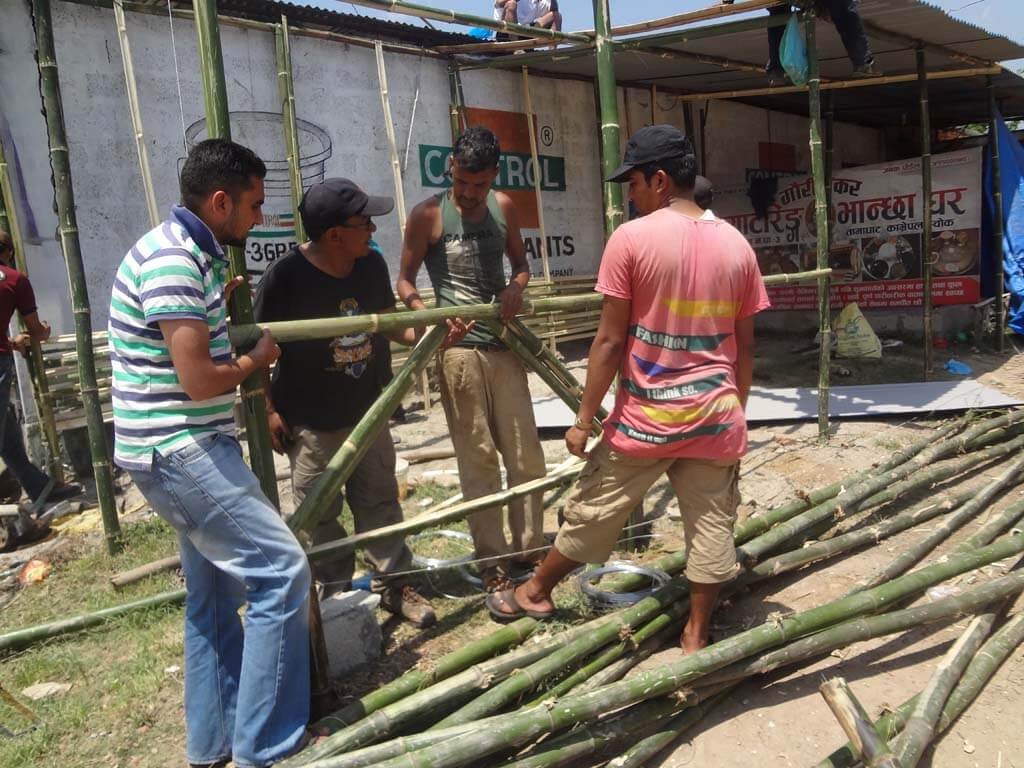
- Temporary shelters
However, Nepal’s rugged terrain, lack of infrastructure, and poor road access to remote regions made logistics extremely difficult. Many mountainous communities remained isolated for days.
Lessons and Long-Term Impact
The earthquake exposed Nepal’s high seismic vulnerability and underscored the urgent need for:
- Earthquake-resistant infrastructure
- Community-based disaster preparedness
- Efficient emergency response systems
- Sustainable urban planning
It also spurred efforts to rebuild better — with reinforced structures, stricter building codes, and increased awareness of disaster risk reduction.
Final Thought
The 2015 Nepal Earthquake serves as a powerful reminder of the unpredictable force of nature. While the destruction was immense, the resilience shown by the Nepali people and the outpouring of global solidarity became a beacon of hope. Today, Nepal continues to rebuild — stronger, smarter, and more united.