Gokyo Lake Research
- DURATION: 17 DAYS


Gokyo Lake Research – Exploring Nepal’s Highest Freshwater Ecosystems
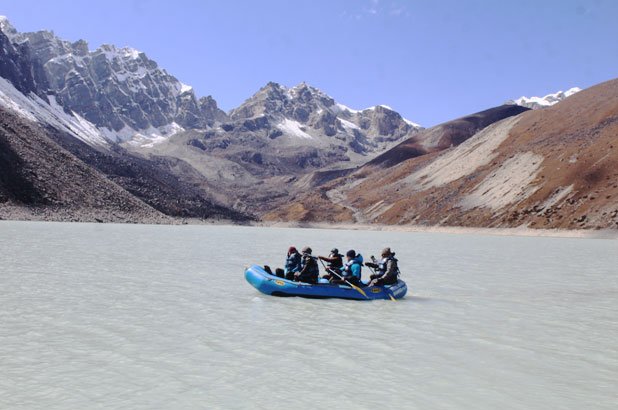
The Gokyo Lakes, nestled within Sagarmatha National Park at elevations ranging from 4,700 to 5,000 meters, represent one of the world’s highest freshwater lake systems. These sacred and pristine bodies of water, especially the expansive Thonak Lake, are more than just scenic wonders—they are ecological treasures that offer deep scientific value.
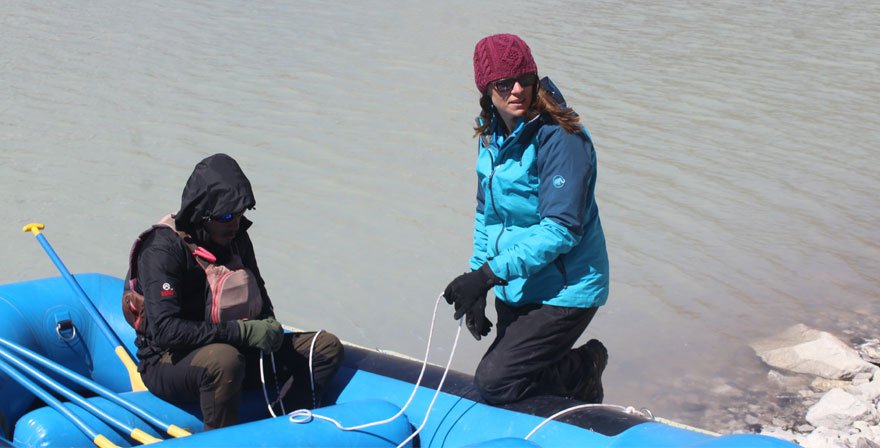
Since 2014, Himalayan Eco Culture Trek and Research Expedition has been actively engaged in Gokyo Lake research, contributing essential data and insight into how climate change is reshaping high-altitude ecosystems across the Himalayas. Our multidisciplinary research spans hydrology, sedimentation, and environmental change, offering global relevance and localized solutions.
Understanding Gokyo Lakes: A High-Altitude Ecological Marvel
Designated as a Ramsar Wetland of International Importance, the Gokyo Lakes are not only sacred to the local Sherpa communities but are also ecological indicators of environmental health in the Himalayas. These six main lakes—including Dudh Pokhari and Thonak Cho—are fed by glacial meltwater and seasonal runoff.
Set against the backdrop of towering peaks like Cho Oyu and Gokyo Ri, these lakes form a unique system where science, spirituality, and sustainability converge.
The Role of Gokyo Lake Research in Alpine Science
Our Gokyo Lake research initiative plays a vital role in understanding the complex and fragile alpine ecosystems of Nepal. Here’s how our work is making an impact:
1. Hydrological Studies
We monitor seasonal fluctuations in lake levels, discharge rates, and water temperature using remote sensing, satellite imagery, and ground-based instrumentation. This data provides early warnings for environmental risks, helps in sustainable water resource management, and contributes to long-term ecological planning.
2. Sedimentation Analysis
3. Climate Change Impact Assessment
The Gokyo Lakes offer a real-time laboratory for observing the effects of climate change in the Himalayas. Through longitudinal data collection, we study:
These findings contribute to global climate change discourse and inform local conservation strategies in Sagarmatha National Park.
Why Gokyo Lakes Matter Globally
The environmental changes seen in the Gokyo region are not isolated. As part of the larger Himalayan cryosphere, these lakes reflect global patterns in climate vulnerability. Their health has direct implications for downstream water security, biodiversity, and natural disaster preparedness.
For example, changes in Gokyo’s glacial-fed waters can:
Himalayan Eco Culture Trek: Blending Research and Exploration
At Himalayan Eco Culture Trek and Research Expedition, we offer not only trekking services but also field support for scientific inquiry. Our Gokyo Lake research journey from 2014 to the present has included:
Our team includes Sherpa guides, field researchers, translators, and logistics coordinators—all trained to assist with high-altitude fieldwork in some of the planet’s most challenging terrains.
Opportunities to Join Gokyo Lake Research
Are you a researcher, university, journalist, documentarian, or eco-conscious traveler? We welcome partnerships to expand and deepen the scope of Gokyo Lake research.
We provide:
Conclusion: A Call to Conserve and Collaborate
The Gokyo Lakes are not just beautiful—they are living testaments to the changing face of our planet. Through our sustained Gokyo Lake research, we aim to protect these alpine ecosystems, spread awareness globally, and create platforms for meaningful scientific engagement.
Climate change is a global crisis, and the Himalayas are its frontlines. If you’re ready to make a difference, we invite you to collaborate with Himalayan Eco Culture Trek and Research Expedition on our ongoing scientific missions.
Let’s explore, research, and protect the Himalayas together—one lake, one glacier, and one step at a time.